Aluminum Paste for Packaging Inks
2026 / 10 / 20In food packaging printing, aluminum paste plays an important role in creating metallic effects, improving visual appeal, and providing hiding power. However, when printed packaging must withstand retort processing, the requirements go beyond appearance.
High-temperature treatment and exposure to moisture can place additional demands on the printing ink and its metallic pigments. If the aluminum pigment is not suitable for the application, the finished packaging may experience changes in appearance or other performance problems.
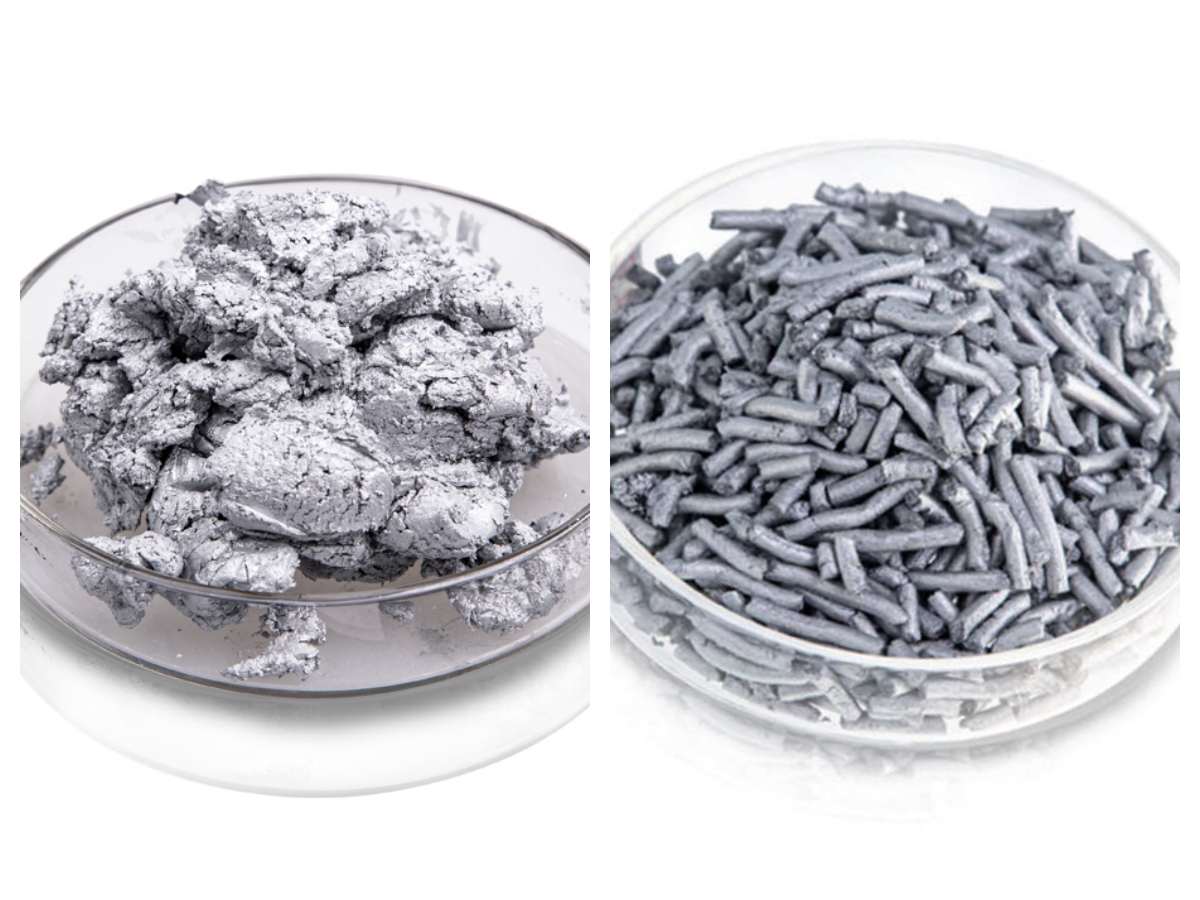
Retort-resistant aluminum paste for printing inks is designed for applications where metallic appearance must be maintained under demanding processing conditions. With a specially engineered surface coating, suitable grades can help improve pigment stability while providing good dispersion and low-odor characteristics.
For ink manufacturers serving food packaging and flexible plastic film markets, choosing the right aluminum paste is an important step toward achieving consistent printing quality.
1. Why Does Retort Processing Matter for Aluminum Paste?
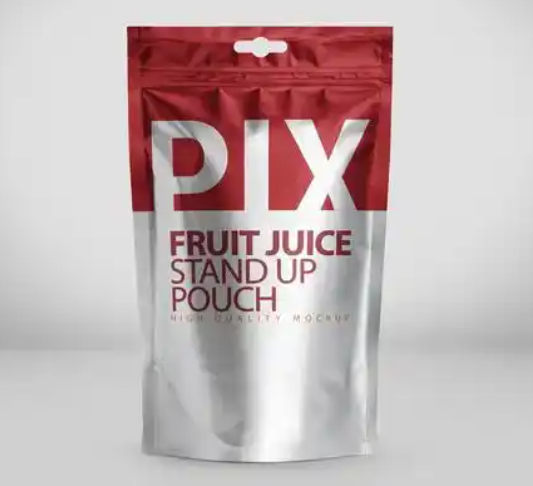
Retort processing is used for certain packaged foods that require heat treatment after packaging. Depending on the product and packaging system, the process may involve elevated temperatures, moisture, and pressure.
These conditions can challenge the performance of printing inks, particularly when metallic pigments are used.
Ink manufacturers should consider several factors:
-
Thermal stability: Can the metallic appearance be maintained under the intended processing conditions?
-
Moisture resistance: Can the pigment and ink system withstand exposure to moisture?
-
Ink adhesion: Does the complete ink formulation maintain suitable adhesion to the intended substrate?
-
Metallic appearance: Does the printed film retain its required brightness and uniformity?
-
Formulation compatibility: Does the pigment work with the selected binder, additives, and printing process?
It is important to evaluate the complete ink formulation rather than the aluminum paste alone. Retort resistance depends on the pigment, ink binder, substrate, lamination structure, curing conditions, and actual processing parameters.
2. How Does Special Surface Coating Improve Performance?
Surface treatment is an important consideration when selecting aluminum paste for demanding printing applications.
For retort-resistant metallic inks, a specially designed and relatively dense coating layer can help protect the aluminum flakes from the surrounding environment. This treatment is intended to improve stability under the specified application conditions.
Potential benefits include:
-
Improved resistance to demanding processing conditions
-
Better protection of the aluminum flakes
-
More consistent metallic appearance
-
Compatibility with suitable printing ink formulations
-
Support for stable performance during application
However, surface treatment alone does not guarantee retort resistance. The selected grade should be tested in the actual ink formulation and packaging structure under the intended retort conditions.
For ink manufacturers, working with a supplier that understands the relationship between pigment treatment and ink performance can help simplify product selection and application testing.
3. Metallic Effect and Hiding Power for Food Packaging Inks
Metallic appearance is a key reason for using aluminum paste in printing inks.
In food packaging, metallic effects can help products stand out on retail shelves. Depending on the design and formulation, aluminum pigments can provide a bright silver appearance, reflective effects, and useful hiding power.
When evaluating aluminum paste for flexible packaging inks, consider the following characteristics.
Metallic brightness
The aluminum flakes should provide the desired reflective appearance for the printed design.
Hiding power
Appropriate pigment selection can help achieve the required coverage and visual uniformity.
Particle uniformity
Suitable particle characteristics can support a consistent printed appearance and reduce the risk of visible coarse particles.
Dispersion performance
Uniform dispersion helps reduce agglomeration and supports consistent printing quality.
The ideal grade depends on the printing process, substrate, ink formulation, and desired metallic effect. A laboratory sample should always be evaluated under production-relevant conditions.
4. Why Are Low Odor and Solvent Composition Important?
Food packaging inks may be subject to strict requirements for odor, residual solvents, migration, and overall packaging safety.
For these applications, choosing an aluminum paste with appropriate solvent characteristics can be an important part of formulation development.
A suitable low-odor grade may offer the following benefits:
-
Low-odor characteristics
-
Benzene-free and ketone-free formulation, where confirmed by the product specification
-
Good dispersion in compatible ink systems
-
Reduced risk of coarse particles caused by poor dispersion
-
Suitability for evaluation in odor-sensitive packaging applications
Low odor does not automatically mean that a finished ink or package is food-contact compliant. Ink manufacturers and packaging converters must evaluate the complete formulation, residual solvents, potential migration, substrate, adhesive, and applicable regulatory requirements.
For food packaging applications, request the relevant technical and safety documentation before selecting a product for production.
5. How to Evaluate Retort-Resistant Aluminum Paste Before Production
Before purchasing aluminum paste in bulk, ink manufacturers should follow a structured testing process.
Step 1: Confirm the Application Requirements
Provide the supplier with details such as:
-
Printing method
-
Film or substrate type
-
Ink binder system
-
Required metallic effect
-
Retort temperature and duration
-
Lamination structure, if applicable
-
Odor and solvent requirements
These details help determine whether a particular grade is suitable for further testing.
Step 2: Test Dispersion Performance
Prepare the ink using the recommended incorporation procedure. Check for agglomerates, coarse particles, dispersion uniformity, and printability.
Avoid assuming that a pigment that disperses well in one binder will perform identically in every ink system.
Step 3: Evaluate the Printed Appearance
Print under controlled conditions and assess metallic brightness, hiding power, uniformity, and surface quality.
Step 4: Conduct Retort Testing
Evaluate the complete printed and, where applicable, laminated packaging structure under the intended retort conditions.
Check for changes in metallic appearance, adhesion, color, and other relevant performance indicators.
Step 5: Confirm Odor and Compliance Requirements
Review the product documentation and conduct the necessary finished-package assessments for the intended market and food-contact application.
Step 6: Approve the Grade Before Bulk Purchase
Once the formulation meets the customer's technical and regulatory requirements, confirm the product specification, batch quality requirements, packaging, lead time, and order quantity with the supplier.
This process helps reduce the risk of selecting a pigment based solely on its appearance in a sample.
6. Common Problems When Selecting Aluminum Paste for Retort-Resistant Inks
| Potential Problem | What to Investigate |
|---|---|
| Metallic brightness decreases after retort | Pigment grade, binder, processing conditions, and packaging structure |
| Visible particles in the ink | Dispersion procedure, compatibility, and pigment condition |
| Uneven metallic appearance | Pigment distribution, printing conditions, and film formation |
| Unsatisfactory adhesion | Ink binder, substrate treatment, curing, and lamination |
| Unwanted odor | Solvent composition, drying conditions, residual solvents, and the complete ink formulation |
| Inconsistent production results | Raw material specifications, process control, and batch consistency |
Troubleshooting should consider the entire ink and packaging system. Changing the aluminum paste alone may not resolve a problem caused by the binder, substrate, printing conditions, or lamination process.
7. Choosing a Reliable Aluminum Paste Supplier for Food Packaging Inks
For ink manufacturers, a suitable supplier should provide more than a product sample.
Before establishing a long-term supply relationship, evaluate:
-
Application-specific grades: Products developed for the intended printing and processing conditions
-
Quality control: Consistent specifications and batch-to-batch performance
-
Technical documentation: TDS, SDS, and relevant quality documents
-
Sample support: Samples for laboratory and production trials
-
Customization: Product recommendations based on the ink system and target performance
-
Supply capability: Reliable production planning and support for repeat orders
-
Commercial terms: Competitive factory-direct pricing for suitable order quantities
These factors are particularly important when a pigment becomes part of a customer's approved ink formulation. Once the grade is qualified, consistent supply can help reduce the need for repeated formulation adjustments.
8. Retort-Resistant Aluminum Paste from ZQ Metallic Pigment
Zhangqiu Metallic Pigment Co., Ltd. (ZQ Metallic Pigment) manufactures metallic pigments for industrial customers, including aluminum paste, aluminum powder, and bronze powder.
For printing ink manufacturers developing metallic effects for flexible packaging, selecting the appropriate aluminum paste requires consideration of dispersion, metallic appearance, solvent characteristics, and processing resistance.
Our team can discuss application requirements and help customers identify suitable grades for evaluation.
We support customers with:
-
Product selection based on application requirements
-
Samples for formulation and print testing
-
Technical data and safety documentation
-
Customized product recommendations
-
Factory-direct supply and wholesale quotations
-
Technical communication during product evaluation
For retort-resistant food packaging inks, suitability should be confirmed through testing of the complete ink and packaging structure under the customer's actual processing conditions.
Conclusion: Choose Aluminum Paste That Meets the Demands of Retort Processing
For food packaging ink manufacturers, aluminum paste must deliver more than an attractive metallic finish. It must also be compatible with the ink formulation and capable of meeting the performance requirements of the intended printing and retort process.
A specially treated aluminum pigment, good dispersion, appropriate solvent characteristics, and consistent quality can all contribute to successful formulation development. Nevertheless, the final result depends on the complete ink and packaging system, so application testing is essential before production approval.
Looking for aluminum paste for retort-resistant printing inks?
Contact ZQ Metallic Pigment to discuss your printing process, substrate, ink system, metallic appearance requirements, and expected order volume. We can help you evaluate suitable grades and arrange samples for testing before bulk purchasing.
Zhangqiu Metallic Pigment Co., Ltd. (ZQ Metallic Pigment)
Email: info@zqmetallic.com
Website: https://www.zqmetallic.com/
Request a sample and technical information to evaluate the right aluminum paste for your printing ink application.
- Previous:Bronze Powder Uses: Applications in Industrial Coatings and Printing Inks
- Next:I have no