Waterborne Aluminium Paste and Low-Odor Coating Technologies
2026 / 01 / 12Sustainability Drives Coating Innovation
Sustainability has become a defining theme across the global coatings industry.
Environmental regulations, occupational health standards, and customer expectations are accelerating the shift from traditional solvent-based coatings toward water-based alternatives.
Within this transformation, waterborne aluminium paste has emerged as a critical material for achieving metallic appearance while meeting low-VOC and low-odor requirements. Historically, metallic coatings relied heavily on organic solvents to ensure pigment stability and performance. Today, advances in formulation science allow aluminium pigments to function effectively in aqueous systems without compromising visual quality or durability.
The Growing Importance of Low-VOC and Low-Odor Coatings
Regulatory and Market Drivers
Governments worldwide continue to tighten restrictions on volatile organic compound (VOC) emissions.
At the same time, industrial users and applicators increasingly prioritize workplace safety and indoor air quality.
Low-odor coating systems are now required in many environments, including:
-
Indoor architectural applications
-
Public buildings and infrastructure
-
Packaging and printing facilities
-
Manufacturing sites with strict safety standards
These trends have positioned waterborne aluminium paste as a key enabler of compliant metallic coating technologies.
Benefits of Water-Based Aluminium Paste Systems
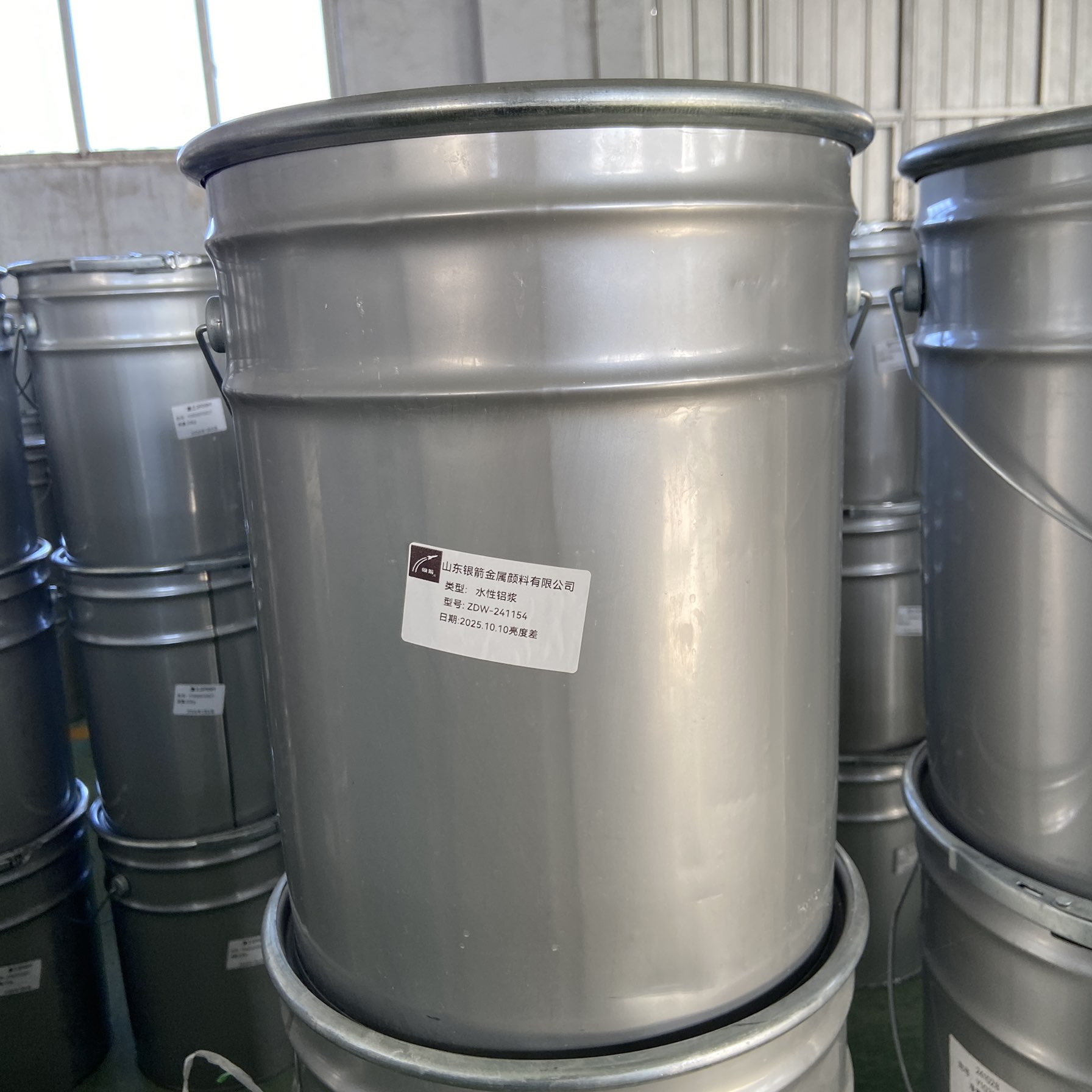
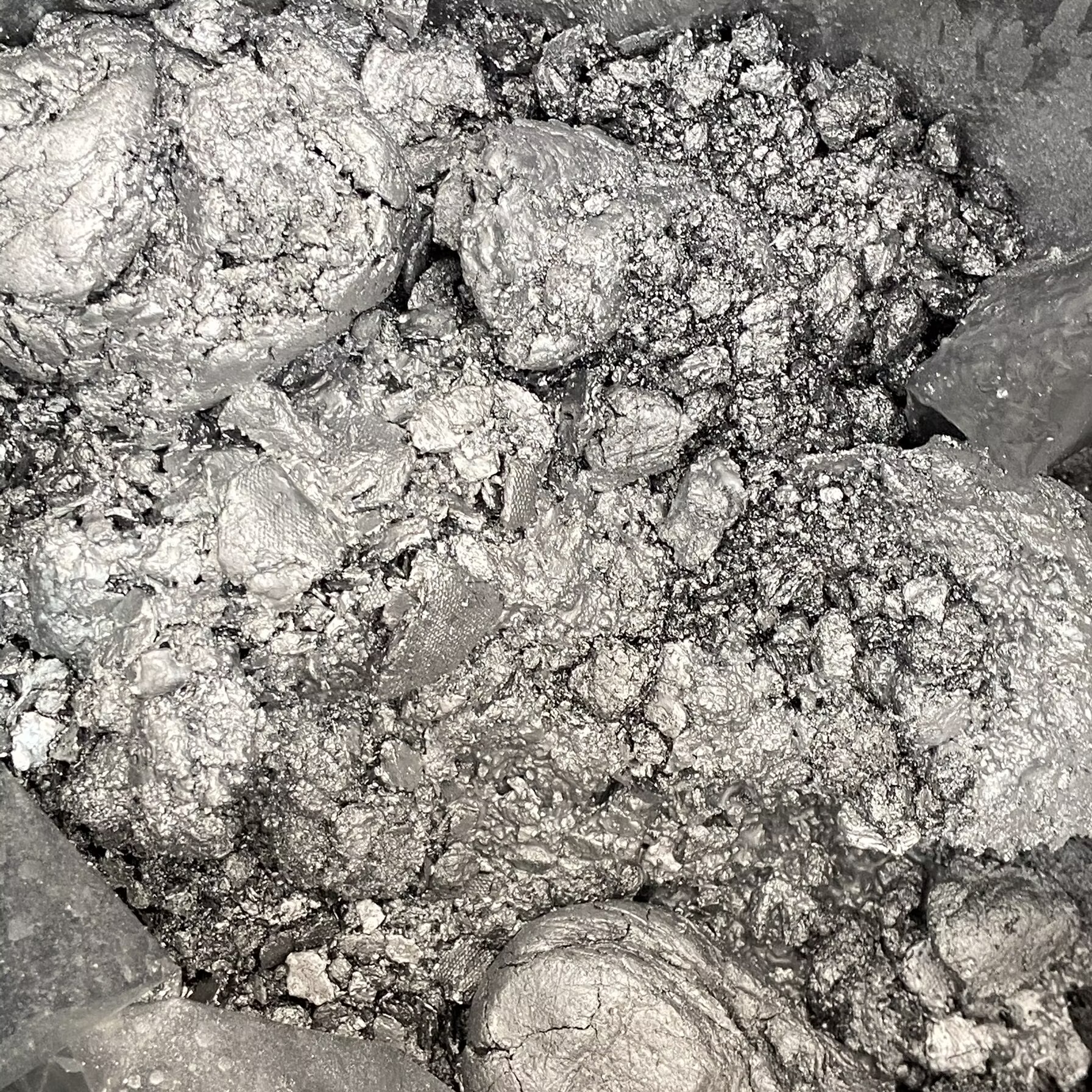
Reduced VOC Emissions and Odor
One of the most significant advantages of waterborne aluminium paste is its contribution to reduced VOC emissions.
Water-based systems enable:
-
Substantially lower solvent content
-
Reduced release of volatile organic compounds
-
Minimal residual odor after application
As a result, coatings formulated with waterborne aluminium paste help improve indoor air quality and reduce environmental impact across the product lifecycle.
Improved Workplace Safety
Lower solvent levels also translate directly into safer working conditions.
Compared to solvent-based aluminium paste systems, waterborne alternatives offer:
-
Reduced flammability risk
-
Lower exposure to hazardous vapors
-
Improved handling during storage and application
These safety benefits are particularly important in enclosed or poorly ventilated environments.
Easier Cleanup and Process Efficiency
Water-based coating systems simplify equipment cleaning and waste management.
Key operational advantages include:
-
Water-based cleanup without aggressive solvents
-
Reduced hazardous waste generation
-
Improved overall process efficiency
These factors contribute to lower operational costs and enhanced sustainability performance.
Technical Challenges of Waterborne Aluminium Paste
Reactivity of Aluminium in Aqueous Systems
Despite its benefits, formulating aluminium paste for water-based systems presents unique technical challenges.
Aluminium is inherently reactive in aqueous environments, particularly under alkaline conditions.
Without proper control, this reactivity can lead to:
-
Oxidation of aluminium flakes
-
Gas formation
-
Reduced metallic brightness
-
Instability during storage
Overcoming these challenges is essential for reliable waterborne metallic coatings.
Oxidation and Stability Control Strategies
Modern waterborne aluminium paste technologies address these issues through several approaches:
Surface Passivation
Aluminium flakes are treated with protective surface layers that reduce direct contact with water, limiting oxidation while preserving reflectivity.
Controlled pH Systems
Carefully managed pH levels help minimize unwanted reactions between aluminium and water during formulation and application.
Advanced Dispersion Technology
Improved dispersing agents and milling techniques ensure stable flake distribution and prevent agglomeration or sedimentation.
Together, these measures allow aluminium paste to remain stable and functional in water-based systems over extended periods.
Maintaining Metallic Performance in Water-Based Coatings
Visual Appearance and Brightness
A common concern with waterborne metallic coatings is potential loss of brightness or sparkle compared to solvent-based systems.
Advances in aluminium paste technology have largely addressed this issue.
Properly formulated waterborne aluminium paste can deliver:
-
Consistent metallic appearance
-
Controlled light reflection
-
Adequate brightness for decorative and functional coatings
These properties ensure that sustainability goals do not come at the expense of visual quality.
Uniform Flake Distribution
Uniform dispersion of aluminium flakes is essential for avoiding defects such as mottling or streaking.
Modern waterborne systems achieve:
-
Stable flake orientation within the coating film
-
Even distribution across large surfaces
-
Reliable appearance consistency under varying lighting conditions
This consistency is critical for both architectural and industrial applications.
Compatibility with Modern Coating Systems
Binder and Resin Compatibility
Waterborne aluminium paste is designed to integrate with a wide range of binder systems, including:
-
Acrylic emulsions
-
Waterborne polyurethane dispersions
-
Hybrid water-based resins
This flexibility supports broad adoption across different coating technologies.
Integration into Multi-Layer Systems
In many applications, waterborne aluminium paste is used within multi-layer coating structures, such as:
-
Water-based primers and basecoats
-
Clear coats for protection and durability
Proper formulation ensures good interlayer adhesion and long-term performance.
Application Areas for Waterborne Aluminium Paste
Water-Based Decorative Coatings
Waterborne aluminium paste is widely used in decorative coatings where low odor and appearance quality are both critical.
Typical applications include interior finishes, consumer goods, and architectural elements.
Environmental Printing Inks
In printing applications, water-based metallic inks benefit from:
-
Reduced odor in production environments
-
Improved safety for operators
-
Compliance with environmental regulations
Aluminium paste provides the metallic effect required for packaging, labels, and decorative printing.
Interior Architectural Finishes
For interior architectural coatings, low emissions and visual appeal are essential.
Waterborne aluminium paste supports metallic finishes suitable for walls, panels, and design features in residential and commercial spaces.
Role in Sustainable Coating Development
Supporting Long-Term Environmental Goals
Beyond regulatory compliance, waterborne aluminium paste contributes to broader sustainability objectives by:
-
Reducing reliance on organic solvents
-
Lowering environmental impact during application
-
Supporting longer service life of coatings
Durable, low-emission coatings help reduce maintenance frequency and material consumption over time.
Future Development Trends
Ongoing research continues to focus on:
-
Further improving oxidation resistance
-
Enhancing brightness and color control
-
Expanding compatibility with new water-based resin systems
These developments are expected to strengthen the role of waterborne aluminium paste in next-generation coating technologies.
Conclusion
Waterborne aluminium paste represents a key intersection between metallic performance and environmental responsibility.
By enabling low-VOC, low-odor coatings while maintaining metallic appearance, brightness, and functional stability, it supports the evolving needs of modern coating systems.
As sustainability continues to shape the coatings industry, waterborne aluminium paste will remain an essential material for achieving both performance and compliance in future coating technologies.