How to Choose the Right Aluminium Paste for Different Paint Applications -
2026 / 11 / 10Why Does Aluminium Paste Selection Matter in Paint Formulations?
Aluminium paste is widely used in metallic coatings to create a silver appearance, reflective effects, and decorative finishes. However, different paint applications have different requirements for metallic brightness, surface appearance, compatibility, and processing performance.
Choosing the right aluminium paste for paint is therefore not simply a matter of selecting a particle size. Manufacturers should consider the coating system, application method, and final appearance before choosing a suitable grade.
1. Identify the Paint Application
Different coating applications require different metallic effects and formulation properties.
-
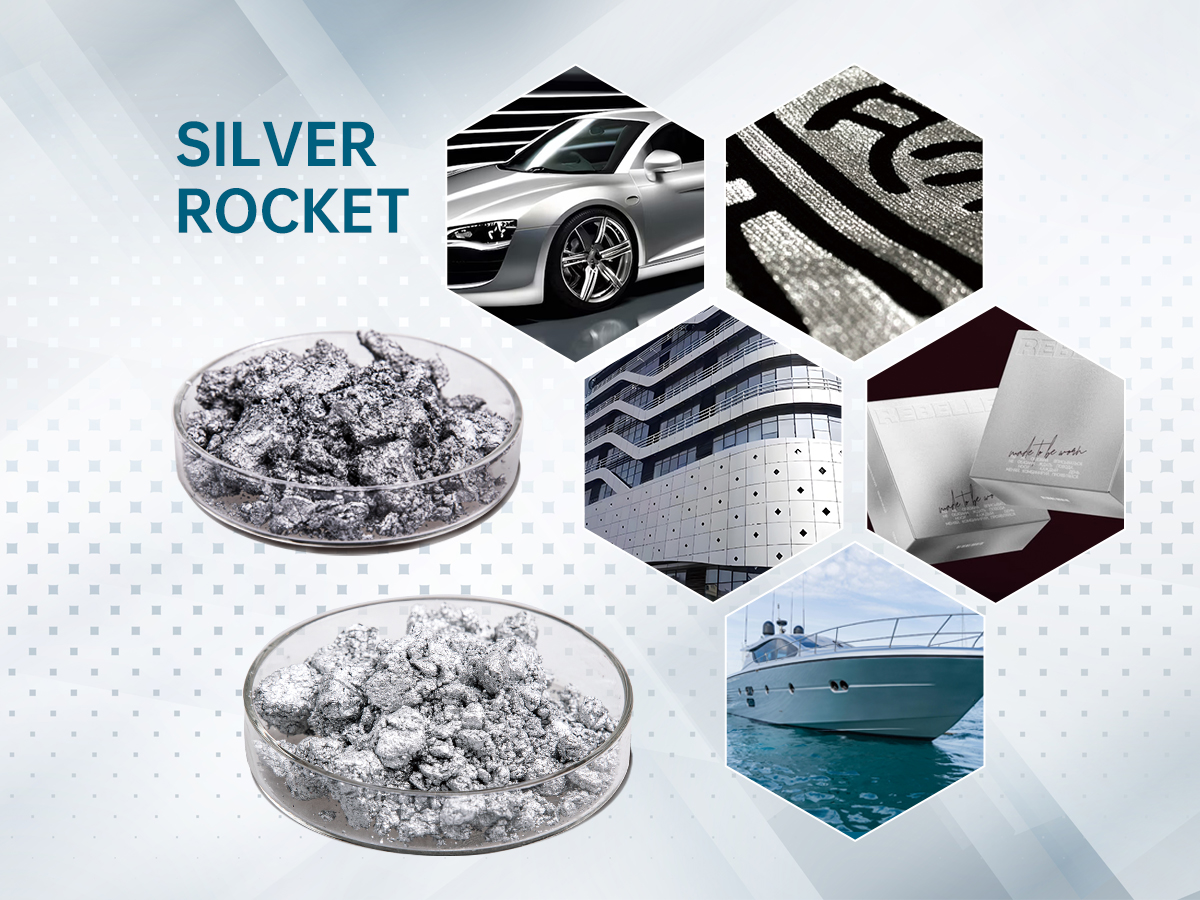
Industrial coatings: Aluminium paste may be used in metal coatings, machinery finishes, and protective decorative coatings. Compatibility with the resin and solvent system should be evaluated.
-
Automotive coatings: Metallic brightness, flake orientation, smoothness, and appearance consistency are important considerations.
-
Architectural coatings: Aluminium paste can help create reflective metallic finishes for selected architectural and decorative surfaces.
-
Plastic coatings: The pigment should be evaluated for compatibility with the coating resin and the plastic substrate.
Defining the end application first helps narrow down suitable aluminium paste grades.
2. Choose Between Leafing and Non-Leafing Aluminium Paste
Leafing and non-leafing aluminium paste produce different surface effects.
-
Leafing aluminium paste tends to orient towards the coating surface, creating a bright metallic appearance and strong surface reflectivity.
-
Non-leafing aluminium paste is generally distributed within the coating film and can provide a more uniform metallic effect, depending on the formulation.
The choice depends on the required appearance, coating performance, and compatibility with other formulation components.
3. Consider Particle Size and Metallic Appearance
Aluminium flake characteristics influence the final appearance of a coating.
Different particle sizes and flake structures can produce different visual effects:
-
Finer flakes may help create a smoother metallic appearance.
-
Larger flakes may create a more noticeable sparkle effect.
-
Flake distribution and orientation can influence brightness and visual uniformity.
The best choice should be confirmed through application testing rather than particle size alone.
4. Check Compatibility with the Resin and Solvent System
Before selecting aluminium paste, confirm whether it is suitable for the coating formulation.
Important factors include:
-
Resin type and solvent composition
-
Pigment wetting and dispersion
-
Mixing equipment and shear conditions
-
Storage stability and compatibility with other additives
Incorrect formulation or excessive mixing can affect aluminium flake structure and the final metallic appearance. Follow the supplier's recommended incorporation procedure.
5. Test Samples Under Actual Application Conditions
Before bulk purchasing, compare different aluminium paste samples using consistent testing conditions.
Keep the following factors as consistent as possible:
-
Resin and solvent formulation
-
Aluminium paste addition level
-
Mixing procedure
-
Application method
-
Film thickness and drying conditions
Then evaluate metallic brightness, surface uniformity, dispersion, and application performance.
This process helps coating manufacturers select a grade that fits their actual production requirements.
What Information Should You Provide When Choosing an Aluminium Paste Supplier?
To receive a more suitable product recommendation, provide:
-
Intended paint application
-
Resin and solvent system
-
Desired metallic appearance
-
Required particle size or product specifications, if available
-
Application and processing method
-
Estimated purchasing quantity
Clear technical information helps suppliers recommend suitable grades and prepare more relevant samples.
Find the Right Aluminium Paste for Your Paint Applications
ZQ Metallic Pigment supplies aluminium paste for different coating and industrial applications. If you are developing a new metallic paint formulation or looking for an alternative aluminium paste supplier, our team can help evaluate your application requirements.
Contact ZQ Metallic Pigment to discuss your formulation, request a suitable sample, or obtain a quotation.
Website: https://www.zqmetallic.com/
Email: info@zqmetallic.com