Aluminium Paste for Printing Inks: Key Properties for Metallic Effects
2026 / 09 / 24Aluminium paste is widely used in printing inks to create metallic and reflective effects on packaging, labels, decorative materials and other printed surfaces. However, not every aluminium paste is suitable for every printing process.
The right grade should be selected according to the printing method, ink system, required metallic appearance and application conditions.
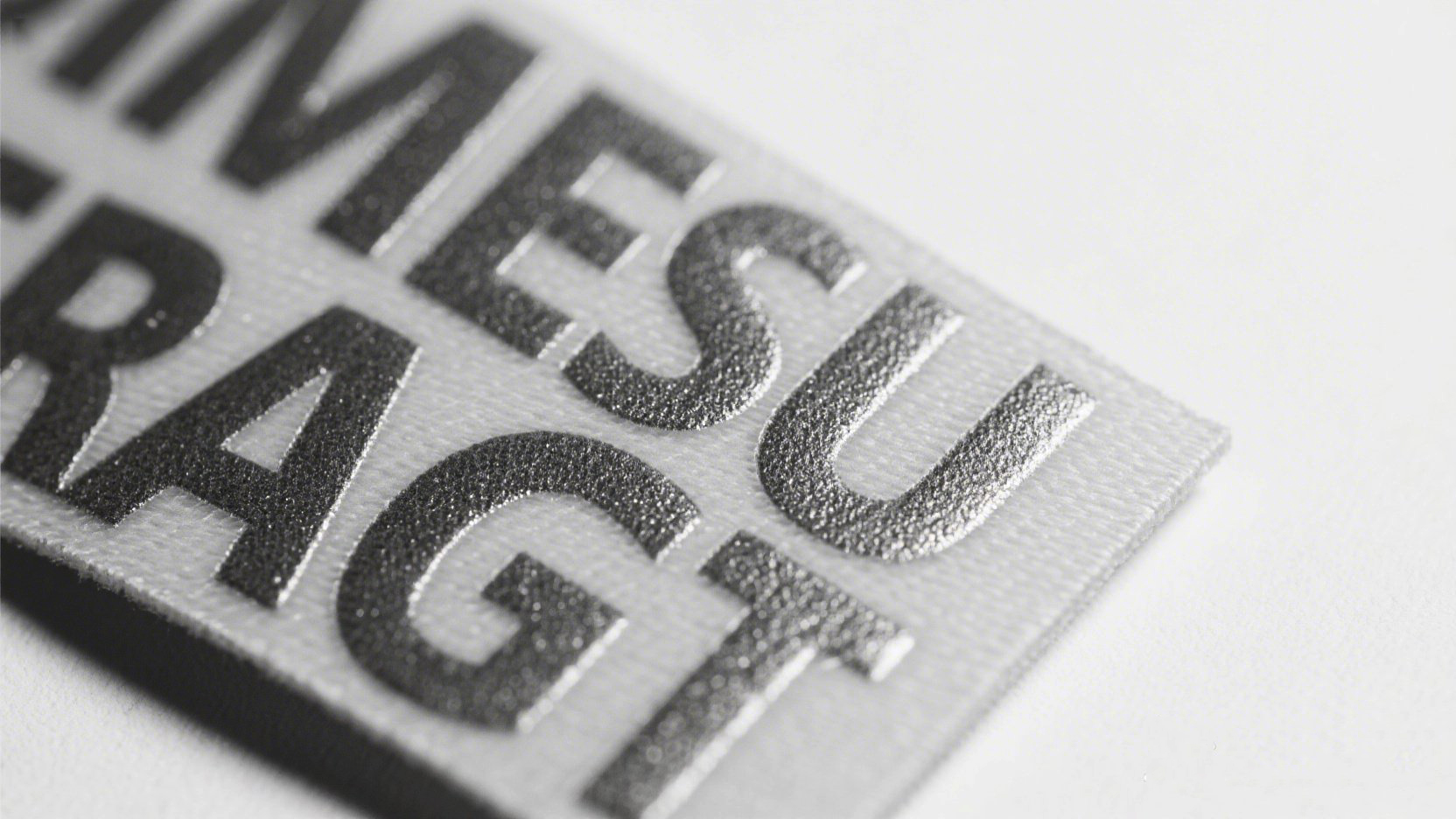
Why Is Aluminium Paste Used in Printing Inks?
Aluminium paste contains fine aluminium flakes that reflect light and create a metallic appearance after printing. By selecting different particle sizes and pigment structures, ink manufacturers can achieve different levels of brightness, smoothness and sparkle.
Aluminium pigment paste can be used in different metallic ink formulations, including inks for packaging and decorative printing.
The final effect depends not only on the aluminium paste itself, but also on dispersion, ink formulation, printing method and drying conditions.
Key Properties of Aluminium Paste for Printing Inks
When selecting aluminium paste for inks, several properties should be considered.
| Property | Why It Matters |
| Particle size | Influences metallic brightness, smoothness and sparkle |
| Flake structure | Affects light reflection and final metallic appearance |
| Dispersion | Helps achieve a uniform and consistent printed effect |
| Brightness | Determines the visual intensity of the metallic finish |
| Compatibility | Ensures good performance with the ink binder and solvent system |
| Storage stability | Helps maintain consistent performance during storage |
A suitable aluminium paste should provide a good balance between metallic appearance and printing performance.
Aluminium Paste for Gravure Printing
Gravure printing requires good ink flow, dispersion and printing stability. Therefore, aluminium paste for gravure printing should be selected according to the specific ink formulation and printing conditions.
Important factors include:
- Particle size distribution
- Dispersion performance
- Ink viscosity
- Binder compatibility
- Solvent compatibility
- Printing speed
- Drying conditions
An aluminium paste with an unsuitable particle size or poor dispersion may cause an uneven metallic effect or affect printing performance.
For high-speed printing applications, laboratory testing under actual production conditions is recommended before bulk purchasing.
How Does Particle Size Affect Metallic Effects?
Particle size is one of the important factors influencing the appearance of metallic printing inks.
|
|---|
However, particle size should not be evaluated independently. The binder, solvent system, pigment concentration and printing process can also affect the final appearance.
Dispersion and Ink Compatibility
Good dispersion is essential when using aluminium paste for inks. Poor dispersion may result in pigment agglomeration, uneven metallic appearance and reduced brightness.
Aluminium paste should also be compatible with the selected binder and solvent system. Before production, ink manufacturers should evaluate the paste through drawdown or printing tests to check:
- Metallic brightness
- Surface uniformity
- Printing stability
- Adhesion
- Drying performance
- Compatibility with the ink system
How to Choose Aluminium Paste for Printing Inks?
The selection process can be simplified into several steps:
- Identify the printing method – such as gravure, flexographic or other printing processes.
- Define the required metallic effect – brightness, smoothness or sparkle.
- Select an appropriate particle size according to the target appearance.
- Check dispersion and compatibility with the ink system.
- Test the aluminium paste under actual printing conditions.
- Evaluate batch consistency before placing a bulk order.
This approach helps manufacturers choose an aluminium paste that matches both the visual and production requirements of the ink.
Conclusion
Aluminium paste for printing inks needs to provide more than a metallic appearance. Particle size, flake structure, brightness, dispersion, compatibility and printing conditions all influence the final result.
For gravure and other metallic printing applications, selecting the appropriate aluminium pigment paste and testing it in the actual ink system can help achieve a more consistent metallic effect and stable production performance.