The Future of Waterborne Aluminium Paste in Industrial Coatings
2026 / 01 / 20Environmental Regulations Reshape Coating Technologies
Across the global coatings industry, environmental regulations and sustainability goals are accelerating a shift away from traditional solvent-based systems. Industrial coatings, once dominated by high-VOC formulations, are now undergoing rapid transformation as manufacturers seek safer, cleaner, and more compliant alternatives.
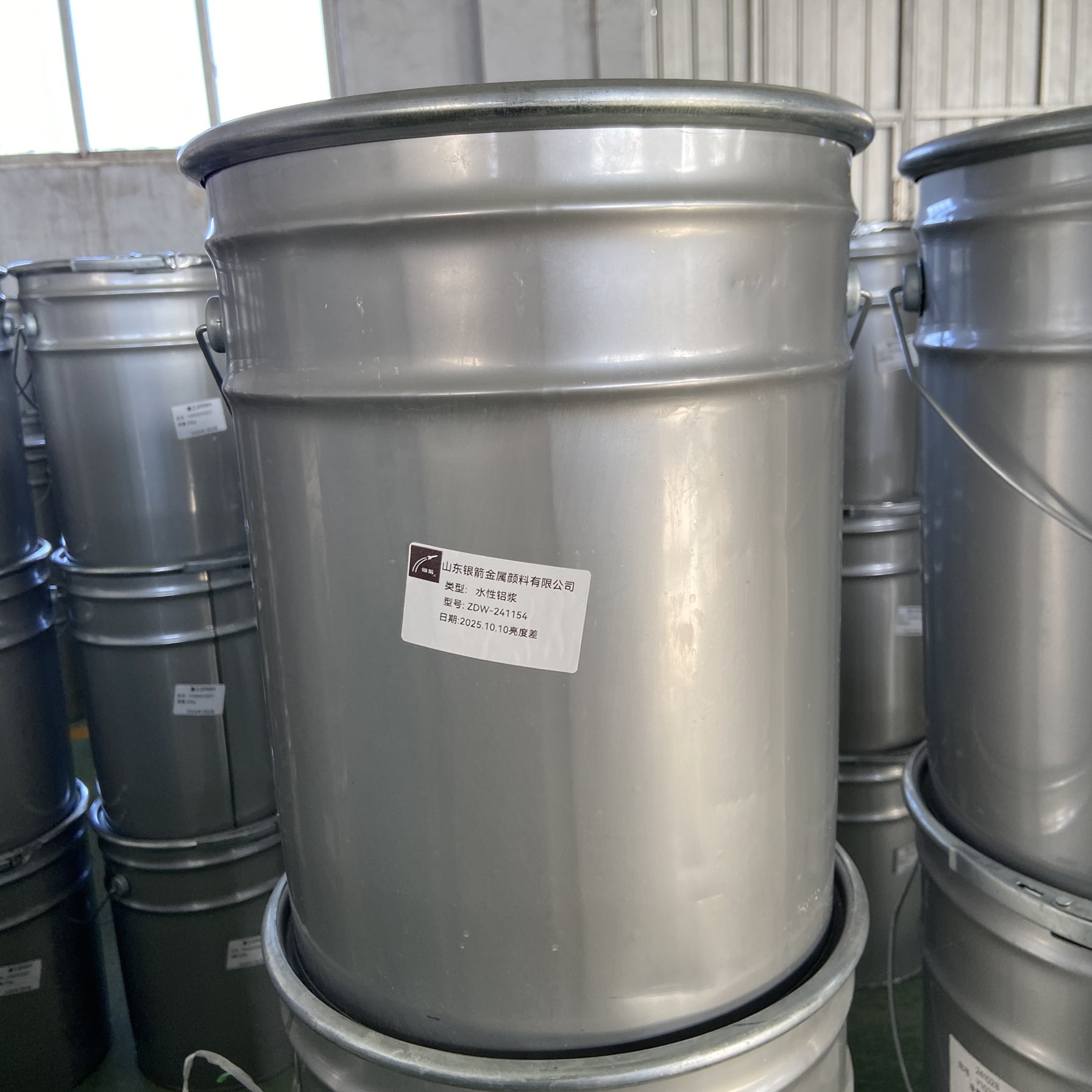
Within this transition, waterborne aluminium paste has emerged as a critical material. It enables metallic appearance and functional performance while supporting low-VOC and low-odor coating technologies. As industrial applications demand both durability and environmental responsibility, waterborne aluminium paste is becoming increasingly relevant.
Why Industrial Coatings Are Moving Toward Waterborne Systems
Industrial coatings are used in demanding environments, including infrastructure, machinery, storage tanks, and transportation equipment. Historically, solvent-based coatings were favored for their performance and ease of formulation. However, regulatory and operational pressures are driving change.
Key factors accelerating waterborne adoption include:
-
Stricter VOC emission limits
-
Increased focus on workplace safety
-
Growing demand for environmentally responsible coatings
-
Rising costs and restrictions on organic solvents
Waterborne coating systems address many of these challenges, but incorporating metallic pigments such as aluminium presents unique technical considerations.
The Role of Aluminium Paste in Industrial Coatings
Metallic Appearance and Functional Performance
Aluminium paste is widely used in industrial coatings for more than visual effect. While metallic appearance remains important, functional benefits are equally significant.
In industrial systems, aluminium paste contributes to:
-
Reflective metallic appearance
-
Improved barrier properties
-
Enhanced resistance to moisture and oxygen
These characteristics make aluminium paste valuable in both decorative-industrial and protective-industrial coatings.
Why Paste Instead of Powder
Compared with aluminium powder, aluminium paste offers superior dispersion and flake orientation, which is especially important in waterborne formulations.
Advantages include:
-
Better flake alignment within the coating film
-
Reduced sedimentation
-
More uniform metallic effect
These properties support consistent performance in large-scale industrial coating applications.
Benefits of Waterborne Aluminium Paste
Reduced VOC Emissions and Odor
One of the most significant advantages of waterborne aluminium paste is its contribution to low-VOC formulations.
Waterborne systems enable:
-
Reduced solvent content
-
Lower odor during application and curing
-
Improved air quality in manufacturing facilities
These benefits are increasingly important for compliance with environmental regulations in regions such as Europe, North America, and parts of Asia.
Improved Workplace Safety
Industrial coating environments often involve large volumes of material and continuous application processes. Waterborne aluminium paste improves safety by offering:
-
Lower flammability risk
-
Reduced exposure to hazardous solvents
-
Safer storage and handling conditions
These factors help reduce operational risks in industrial coating plants.
Technical Challenges of Aluminium in Water-Based Systems
Despite its advantages, aluminium is inherently reactive in aqueous environments. Successfully using aluminium paste in waterborne industrial coatings requires careful technical control.
Oxidation and Hydrogen Evolution
When aluminium comes into contact with water, especially under alkaline conditions, oxidation can occur, potentially generating hydrogen gas.
Modern waterborne aluminium paste formulations address this through:
-
Surface passivation treatments
-
Controlled pH environments
-
Protective coating layers on aluminium flakes
These measures significantly improve stability and safety.
Dispersion Stability and Storage
Maintaining uniform dispersion of aluminium flakes in waterborne systems is essential for consistent coating performance.
Advanced formulation strategies include:
-
Optimized surfactant systems
-
Rheology control additives
-
Controlled flake size distribution
These technologies help prevent settling, agglomeration, and loss of metallic appearance over time.
Performance Consistency in Industrial Applications
Metallic Appearance and Uniformity
Modern waterborne aluminium paste is capable of delivering:
-
Stable metallic brightness
-
Uniform flake orientation
-
Consistent appearance across large coated surfaces
This performance is critical in industrial applications where coating appearance and quality must be repeatable and predictable.
Durability and Protective Properties
In addition to aesthetics, waterborne aluminium paste supports durability by contributing to barrier protection.
The overlapping aluminium flakes within the coating film:
-
Slow moisture penetration
-
Reduce oxygen diffusion
-
Enhance corrosion resistance
These properties are particularly valuable in industrial environments exposed to humidity, chemicals, and temperature fluctuations.
Typical Industrial Applications of Waterborne Aluminium Paste
Waterborne aluminium paste is increasingly used across a range of industrial coating sectors, including:
-
Structural steel and infrastructure coatings
-
Industrial equipment and machinery
-
Storage tanks and pipelines
-
Exterior metal components
Its ability to balance appearance, protection, and sustainability makes it suitable for both functional and decorative industrial coatings.
Market Trends and Industry Outlook
Market data and industry reports indicate steady growth in waterborne coating technologies, particularly in regions with strict environmental regulations.
Key trends shaping the future include:
-
Expansion of waterborne industrial coating standards
-
Increased investment in low-VOC technologies
-
Ongoing development of advanced aluminium paste formulations
As these trends continue, waterborne aluminium paste is expected to gain a stronger position in the industrial coatings market.
Comparison with Solvent-Based Aluminium Paste Systems
| Aspect | Waterborne Aluminium Paste | Solvent-Based Aluminium Paste |
|---|---|---|
| VOC emissions | Low | High |
| Odor | Minimal | Strong |
| Flammability | Low | Higher |
| Environmental compliance | Strong | Increasingly restricted |
| Metallic appearance | Stable with modern tech | Traditionally strong |
While solvent-based systems still exist, waterborne technologies are rapidly closing the performance gap.
Conclusion
Waterborne aluminium paste represents a significant step forward in industrial coating technology. By enabling metallic appearance, barrier protection, and corrosion resistance within low-VOC systems, it aligns performance requirements with environmental and safety goals.
As regulations tighten and sustainability becomes a core industry priority, waterborne aluminium paste is expected to play an increasingly important role in the future of industrial coatings, supporting both functional performance and responsible manufacturing practices.