Aluminium Paste Improves Barrier Performance in Protective Coatings
2025 / 12 / 17
Introduction: Why Barrier Performance Matters in Protective Coatings
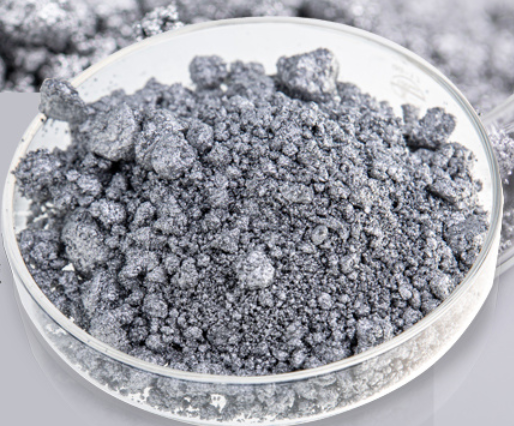
Barrier performance is the core function of protective coatings.
In industrial environments, coatings must block moisture, oxygen, chemicals, and salts over long service periods.
Among functional pigments, aluminium paste is widely recognised for its ability to significantly enhance barrier protection in modern coating systems.
Core News: Aluminium Paste Strengthens Protective Coating Barriers
Protective coatings are increasingly designed for longer maintenance cycles and harsher environments.
According to Grand View Research (2024), corrosion-related damage costs global industries over USD 2.5 trillion annually, driving demand for high-performance barrier technologies.
Aluminium paste plays a critical role by forming a dense, reflective, and overlapping flake structure within the coating film.
How Aluminium Paste Improves Barrier Performance
Lamellar Flake Structure and Shielding Effect
The barrier mechanism of aluminium paste is based on lamellar (plate-like) flake alignment.
When properly formulated, aluminium flakes:
-
Align parallel to the coating surface
-
Create a tortuous path for water and oxygen
-
Reduce permeation rates of corrosive media
This structure is often described as a “shielding effect”, widely documented in protective coating research (NACE, SSPC technical studies).
Enhanced Corrosion Resistance in Harsh Environments
Protection Against Moisture, Salts, and Chemicals
Protective coatings containing aluminium paste demonstrate improved resistance in:
-
Salt spray environments
-
High-humidity industrial zones
-
Chemical splash and atmospheric corrosion
ISO 9227 salt spray testing shows that aluminium-pigmented coatings can delay corrosion onset by 30–50% compared with conventional formulations, depending on system design.
Role of Particle Engineering and Surface Treatment
Why Aluminium Paste Quality Matters
Not all aluminium paste performs equally in barrier applications. Key parameters include:
| Parameter | Influence on Barrier Performance |
| Flake size distribution | Film compactness |
| Flake thickness | Overlap efficiency |
| Surface treatment | Chemical stability & compatibility |
Surface-treated aluminium paste improves resistance to oxidation and chemical interaction, ensuring long-term barrier stability in both solvent-based and waterborne coatings.
Typical Applications of Aluminium Paste in Protective Coatings
Aluminium paste is widely used in:
-
Steel structure coatings
-
Marine and offshore protection
-
Oil & gas pipelines and tanks
-
Industrial equipment coatings
-
Heavy-duty anticorrosion systems
Its versatility allows integration into epoxy, polyurethane, alkyd, and acrylic systems.
Frequently Asked Questions
Is aluminium paste suitable for water-based protective coatings?
Yes. Modern aluminium paste with advanced surface treatment performs well in waterborne systems.
Does aluminium paste replace zinc in anticorrosion coatings?
No. Aluminium paste provides barrier protection, while zinc offers cathodic protection. They are often combined.
What loading level is recommended?
Typical dosage ranges from 5% to 20%, depending on film thickness and exposure conditions.
Conclusion: Aluminium Paste as a Barrier Technology
As industries demand longer-lasting and more reliable protective coatings, aluminium paste remains a proven barrier-enhancing material.
Its ability to:
-
Block corrosive media
-
Improve coating durability
-
Adapt to multiple resin systems
makes aluminium paste a core component in modern protective coating design.
Continued innovation in flake engineering and surface chemistry will further strengthen its role in future corrosion protection solutions.