Aluminium Paste for Industrial Paint: Key Factors in Product Selection
2026 / 10 / 13Industrial paint manufacturers need more than a bright silver finish. The right metallic pigment must deliver the desired appearance, suitable hiding power, good resin compatibility, and reliable performance during production.
Choosing the right aluminium paste for industrial paint helps coating manufacturers achieve consistent quality while reducing formulation adjustments and production issues. Here are four key factors to consider when selecting aluminium paste for industrial coatings.
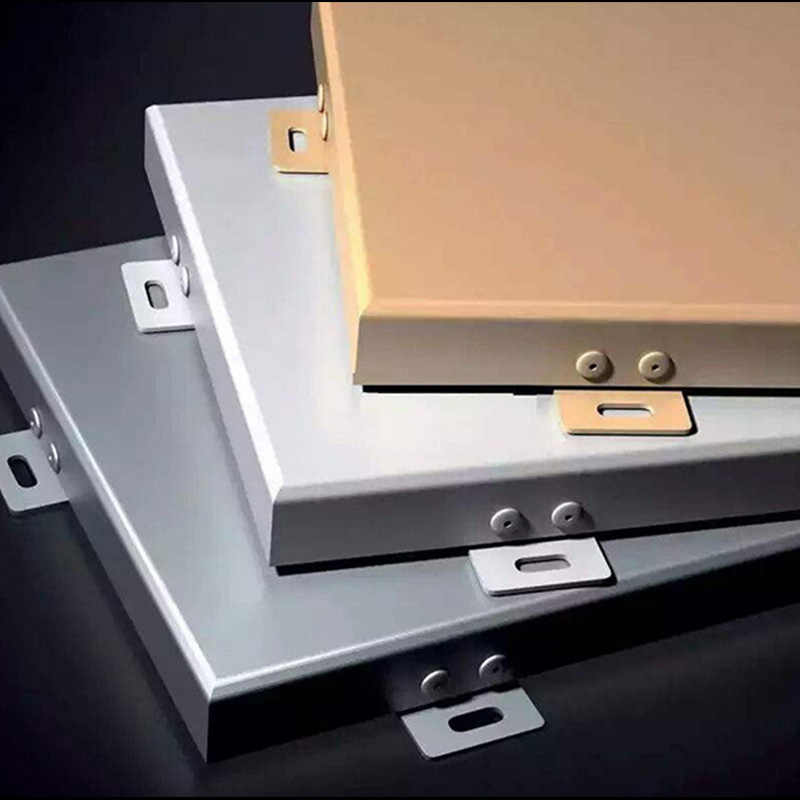
1. Metallic Effect: Brightness, Gloss, and Flake Appearance
Aluminium paste creates a metallic effect through the reflection of light from its flake-shaped particles. Particle size, surface characteristics, and flake orientation all influence the final coating appearance.
Before selecting a product, determine the desired visual effect:
-
High brightness: Suitable for coatings requiring a bright, reflective silver finish.
-
Fine, smooth appearance: Helps achieve a more uniform metallic surface.
-
Strong sparkle effect: Appropriate for decorative industrial finishes where visible metallic particles are preferred.
-
Consistent metallic color: Important for large surfaces and products manufactured in multiple batches.
The best choice depends on the coating's appearance requirements rather than brightness alone. A balanced combination of reflectivity, particle distribution, and hiding power is essential.
2. Aluminium Paste Hiding Power and Particle Size
Hiding power determines how effectively a coating conceals the underlying substrate. For industrial paints, insufficient coverage can lead to uneven color, visible substrate differences, and additional coating requirements.
When evaluating aluminium paste hiding power, consider the following factors:
-
Particle size distribution: Affects coverage, metallic texture, and surface uniformity.
-
Flake shape and orientation: Influence light reflection and the efficiency of the metallic layer.
-
Pigment concentration: Determines how much of the substrate is covered by the metallic pigment.
-
Dry film thickness: Affects the final appearance and coverage of the coating.
Smaller particles do not automatically deliver better performance in every formulation. Fine flakes may help create a smooth appearance, while coarser grades can produce a more noticeable sparkle effect.
Manufacturers should evaluate hiding power and metallic appearance together through drawdown tests or spray trials under consistent application conditions.
3. Aluminium Paste Resin Compatibility
Resin compatibility is another important factor when selecting aluminium paste for industrial paint. Even a pigment with excellent optical properties may perform poorly if it is incompatible with the coating's binder and solvent system.
Potential problems include uneven dispersion, flocculation, loss of metallic brightness, and unstable coating appearance.
Before bulk purchasing, evaluate the following:
-
Resin type: Check compatibility with the intended acrylic, alkyd, epoxy, polyurethane, or other binder system.
-
Carrier solvent: Confirm that the paste's carrier is suitable for the formulation.
-
Surface treatment: Select an appropriate grade for the required chemical stability and coating performance.
-
Storage stability: Observe whether the pigment remains reasonably uniform during storage and handling.
For water-based formulations, use aluminium paste specifically developed for the intended aqueous system. Conventional solvent-based grades should not be assumed to provide adequate water stability.
A practical compatibility test should include a small-scale formulation trial, dispersion assessment, visual inspection, and storage evaluation before production approval.
4. Production Suitability and Processing Stability
A suitable pigment must perform consistently not only in the laboratory but also during routine manufacturing.
When choosing aluminium paste for industrial paint, consider how easily it can be incorporated into the formulation and whether it maintains its appearance under the intended production conditions.
Important evaluation points include:
-
Dispersion: The paste should distribute uniformly without persistent agglomeration.
-
Mixing conditions: Excessive shear can damage aluminium flakes and affect the final metallic effect.
-
Batch consistency: Stable particle characteristics help reduce differences between production batches.
-
Storage and handling: Check for hard sediment, excessive separation, and changes in product condition.
-
Application performance: Confirm the results using the actual spraying, brushing, or other intended coating process.
As a practical starting point, pre-mix the paste with a compatible portion of the formulation when appropriate, then incorporate it gradually under controlled mixing conditions. Follow the supplier's recommended processing procedure and avoid unnecessary high-speed dispersion.
5. How to Select Aluminium Paste for Different Industrial Coatings
Different industrial applications have different priorities. The following table provides a starting point for product selection.
|
||||||||||||||||||
|---|---|---|---|---|---|---|---|---|---|---|---|---|---|---|---|---|---|---|
For example, a machinery coating that requires a smooth silver finish may prioritize brightness and uniformity. A protective coating for steel structures may place greater emphasis on durability, adhesion, and corrosion resistance.
The selected aluminium paste should always be evaluated as part of the complete coating formulation. Corrosion resistance and heat resistance depend on the entire coating system, not on the pigment alone.
6. Frequently Asked Questions About Aluminium Paste for Industrial Paint
Q1: What type of aluminium paste is suitable for industrial paint?
The appropriate grade depends on the desired metallic appearance, resin system, application method, and durability requirements. Leafing grades may be suitable for strong surface reflectivity, while non-leafing grades are often considered for applications requiring better overcoating compatibility.
Q2: How can manufacturers improve the hiding power of aluminium paste?
Evaluate particle size distribution, pigment loading, flake orientation, and dry film thickness together. Laboratory drawdowns and application trials can help identify the right balance between coverage and metallic appearance.
Q3: Why does aluminium paste lose its metallic brightness?
Possible causes include poor dispersion, unsuitable resin or solvent compatibility, damaged flakes from excessive shear, and inconsistent application conditions. Check the formulation and processing procedure before changing the pigment grade.
Q4: Should aluminium paste be tested before bulk purchasing?
Yes. A sample trial helps verify appearance, compatibility, dispersion, storage behavior, and production suitability. Testing under the customer's actual formulation and application conditions provides more useful results than relying on a product description alone.
Conclusion: Find the Right Aluminium Paste for Your Industrial Coatings
Selecting the right aluminium paste requires a balance of metallic brightness, hiding power, resin compatibility, and production stability. Evaluating these factors together helps manufacturers achieve consistent coating quality and avoid unnecessary formulation adjustments.
ZHANGQIU METALLIC PIGMENT CO., LTD. supplies metallic pigment products for a range of industrial coating applications. If you are looking for aluminium paste for industrial paint, contact our team to discuss your application requirements and identify a suitable product grade.
Website: https://zqmetallic.com/
Email: info@zqmetallic.com
- Previous:How to Prevent Gas Generation in Aluminium Paste Formulations
- Next:I have no