Aluminum Paste for Automotive Coatings: Metallic Brilliance and Long-Term Durability
2026 / 04 / 02Why Aluminum Paste Dominates Automotive Metallic Finishes
In the automotive coatings industry, visual impact and durability are equally critical. Consumers expect vehicles to deliver deep metallic brilliance, smooth texture, and long-lasting weather resistance. Behind this premium appearance, aluminum paste plays a decisive role.
According to industry data from global automotive coating reports, metallic finishes account for over 60% of new passenger vehicle colors worldwide, with silver, gray, and metallic white consistently ranking among the top choices. The growing preference for metallic effects continues to drive demand for high-performance aluminum paste.
This article explores how aluminum paste enhances automotive coatings, how to select the correct grade, and what performance factors truly matter.
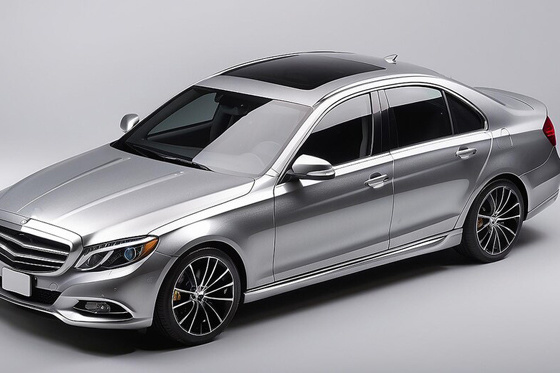
1:How Aluminum Paste Creates Metallic Brilliance
The unique visual effect of automotive metallic paint comes from the flake structure of aluminum paste.
When dispersed correctly in a basecoat system:
- Aluminum flakes align parallel to the film surface.
- Light reflects uniformly across the coating layer.
- The finish achieves depth, brightness, and metallic sparkle.
Key Optical Factors:
- Particle size distribution
- Flake thickness
- Surface smoothness
- Orientation control
Fine aluminum paste (typically 5–20 μm) produces a smooth metallic sheen. Medium particle aluminum paste enhances sparkle and visual depth.
The precision of flake engineering directly affects the “flip-flop effect” — the color shift observed from different viewing angles.
2:Durability Requirements in Automotive Systems
Automotive coatings must withstand:
- UV radiation
- Acid rain
- Temperature fluctuations
- Car wash abrasion
- Road salt exposure
High-quality aluminum paste improves coating performance through:
✔ Improved UV reflectivity
✔ Enhanced barrier protection
✔ Stable metallic orientation
✔ Resistance to oxidation
In accelerated weathering tests, optimized aluminum paste systems demonstrate improved gloss retention over long-term exposure compared to lower-grade metallic pigments.
3:Leafing vs Non-Leafing Aluminum Paste in Automotive Paint
Automotive basecoats primarily use non-leafing aluminum paste.
Why Non-Leafing Is Preferred:
- Uniform distribution within the film
- Better adhesion between layers
- Compatibility with clear coat systems
- Enhanced corrosion protection
Leafing aluminum paste is generally used in industrial reflective coatings rather than multilayer automotive finishes.
Selecting the wrong aluminum paste type can compromise adhesion and long-term durability.
4:Water-Based Automotive Coatings and Aluminum Paste
With stricter VOC regulations globally, many automotive manufacturers are shifting toward waterborne basecoat systems.
However, aluminum paste in water-based systems requires:
- Advanced surface treatment
- Controlled passivation
- Hydrogen reaction prevention
Properly engineered water-compatible aluminum paste ensures:
- Stable dispersion
- Safe storage
- Consistent metallic effect
Choosing an experienced aluminum paste supplier is critical for successful waterborne automotive formulations.
5:Supply Chain Stability in Automotive Production
Automotive manufacturing requires:
- Strict batch-to-batch consistency
- Large-scale supply capability
- On-time delivery
- Stable wholesale pricing
Interruptions in aluminum paste supply can halt paint production lines. Therefore, reliable manufacturing capacity and strong supply chain management are essential.
Professional aluminum paste manufacturers typically maintain:
- Multiple production facilities
- Controlled inventory systems
- Export logistics experience
- Bulk production scalability
These factors ensure stable global delivery for automotive OEM and refinish markets.
6:Technical Selection Guide for Automotive Aluminum Paste
Step One: Define Visual Target
High brightness? Subtle metallic? Sparkle effect?
Step Two: Choose Particle Size
Fine grade for smooth luxury finish.
Medium grade for dynamic metallic sparkle.
Step Three: Confirm Solid Content
Higher solid content improves coverage efficiency and cost control.
Step Four: Verify System Compatibility
Solvent-based or water-based basecoat?
Step Five: Conduct Spray Testing
Evaluate orientation, leveling, and gloss retention.
7: Case Insight — Metallic Silver Automotive Basecoat
Application: Passenger vehicle metallic silver finish
Challenge: Inconsistent sparkle and color variation
Solution:
Re-optimized particle size distribution of aluminum paste and improved dispersion control.
Result:
- Improved metallic uniformity
- Reduced color mismatch rate
- Higher customer satisfaction
This demonstrates how aluminum paste quality directly influences final automotive appearance.
Market Insight: Growing Demand for Premium Metallic Effects
Automotive trends indicate:
- Increasing demand for customized metallic finishes
- Growth in electric vehicle production
- Rising emphasis on aesthetic differentiation
Aluminum paste remains the core metallic pigment supporting these trends.
As vehicle manufacturers compete on design innovation, metallic aluminum paste continues to be a key material enabling distinctive finishes.
Common Mistakes in Automotive Aluminum Paste Formulation
- Over-shearing during dispersion, damaging flake structure
- Incorrect solvent compatibility
- Inconsistent mixing ratios
- Selecting low-quality aluminum paste based solely on price
Technical optimization ensures stable production and consistent vehicle appearance.
Conclusion: Aluminum Paste Is the Engine Behind Automotive Metallic Design
Aluminum paste provides:
- Metallic brilliance
- Visual depth
- UV stability
- Corrosion resistance
- Long-term durability
In automotive coatings, aluminum paste is not just a pigment — it is a functional and aesthetic performance material.
Manufacturers who prioritize high-quality aluminum paste benefit from:
- Consistent metallic finishes
- Reduced production defects
- Enhanced brand perception
- Competitive market positioning
Call to Action
If you are developing automotive coatings or sourcing aluminum paste for OEM or refinish systems:
- Request detailed technical specifications
- Compare particle size distribution
- Verify water-based compatibility
- Evaluate bulk supply capacity
For product catalogs, pricing, and sample requests: