How to Choose Aluminium Paste for Water-Based Coatings
2026 / 09 / 20Water-based coatings are increasingly used in industrial coatings, automotive coatings, plastic coatings and other applications where lower VOC emissions and environmental requirements are important. However, choosing the right aluminium paste for water-based coatings can be more challenging than selecting aluminium paste for traditional solvent-based systems.
The compatibility between aluminium pigments, water-based resins and additives can directly affect metallic appearance, dispersion, storage stability and coating performance. For coating manufacturers, selecting a suitable water-based aluminium paste is therefore an important part of formulation development.
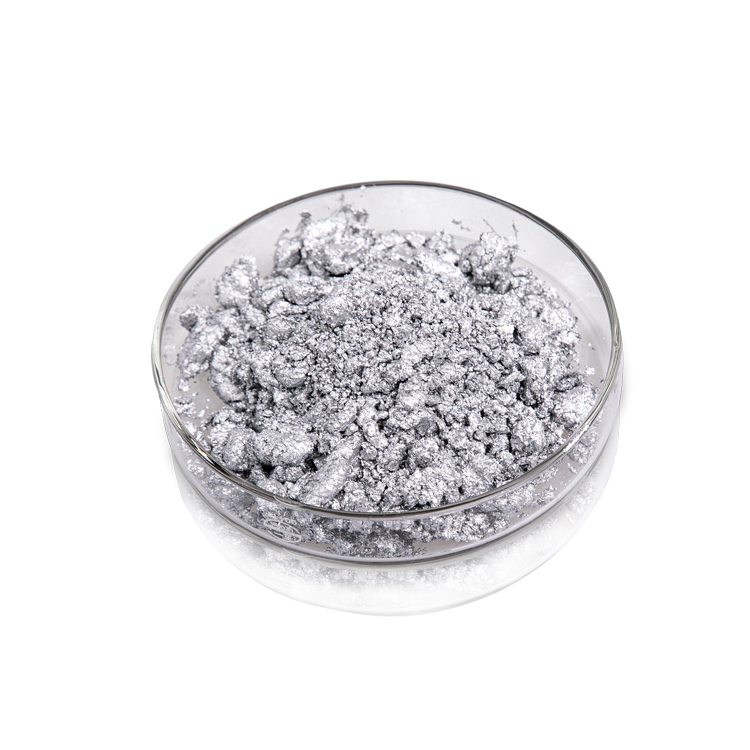
Why Is Aluminium Paste Used in Water-Based Coatings?
Aluminium paste is used in water-based coatings to create metallic and silver effects while maintaining the required appearance and coating performance.
Depending on the grade and formulation, aluminium paste can provide:
- Metallic silver appearance
- High brightness and gloss
- Different levels of sparkle and visual texture
- Good pigment distribution
- Consistent colour appearance
- Suitable compatibility with water-based coating systems
However, not all aluminium paste products are suitable for water-based formulations. The surface treatment and formulation design of the pigment can have a significant influence on its performance in water-based coatings.
What Should You Consider When Choosing Water-Based Aluminium Paste?
When selecting aluminium paste for water-based coatings, coating manufacturers should consider several key factors.
1. Compatibility with Water-Based Coatings
Compatibility is one of the first factors to consider when choosing aluminium paste for a water-based coating system.
The aluminium pigment needs to work well with the selected resin, additives and other components in the formulation. Poor compatibility may result in uneven dispersion, reduced metallic appearance or changes in coating performance.
For this reason, aluminium paste should be evaluated together with the complete coating formulation rather than considered as an isolated raw material.
2. Metallic Brightness and Appearance
The required metallic effect is another important consideration.
Different applications may require different appearances. Some coatings need a bright and smooth silver effect, while others may require stronger sparkle or a more noticeable metallic texture.
Particle size distribution, flake structure and pigment orientation can all influence the final appearance of the coating.
For example, finer aluminium flakes can generally contribute to a smoother and more uniform metallic appearance, while larger flakes can provide stronger visual sparkle.
The correct water-based aluminium paste should therefore be selected according to the target appearance of the final coating.
3. Dispersion Performance
Good dispersion is essential for achieving a uniform metallic appearance.
If aluminium paste does not disperse properly, the coating may show uneven colour, pigment aggregation or inconsistent metallic effects after application.
During formulation development, manufacturers should evaluate:
- Dispersion speed
- Pigment distribution
- Compatibility with additives
- Mixing conditions
- Surface appearance after application
The recommended dispersion process should also be followed to avoid unnecessary damage to the aluminium flakes.
4. Storage Stability
Storage stability is particularly important for water-based coating systems.
A suitable aluminium paste should maintain stable performance during storage and transportation under the recommended conditions.
Manufacturers can evaluate storage stability by checking changes in:
- Appearance
- Viscosity
- Dispersion performance
- Metallic brightness
- Colour consistency
Long-term stability testing can help coating manufacturers identify potential formulation problems before commercial production.
5. Gas Generation and Safety Considerations
Because aluminium is a reactive metal, its behaviour in water-containing systems needs to be carefully considered.
For water-based coatings, aluminium paste grades designed specifically for water-based applications can provide better compatibility with the formulation and help reduce potential problems associated with gas generation.
This is one reason why manufacturers should not simply use conventional solvent-based aluminium paste in a water-based coating system without appropriate testing.
How to Select Aluminium Paste for Different Water-Based Coatings
The ideal aluminium paste can vary depending on the coating application.
Water-Based Automotive Coatings
Automotive coatings often require a high-quality metallic appearance, good colour consistency and controlled pigment orientation.
For these applications, manufacturers should pay particular attention to:
- Metallic brightness
- Particle size distribution
- Flake orientation
- Dispersion
- Batch-to-batch consistency
The selected aluminium paste for water-based coatings should also be compatible with the specific resin and application process.
Water-Based Industrial Coatings
Industrial coatings may place greater emphasis on durability, corrosion protection and overall coating performance.
Aluminium paste selection should therefore consider both metallic appearance and compatibility with the protective coating system.
Depending on the application, different aluminium pigment grades may be required to achieve the desired balance between appearance and coating performance.
Water-Based Plastic Coatings
Plastic coatings require aluminium paste with suitable dispersion and compatibility with the coating system.
The surface of different plastic substrates can also influence the final metallic appearance. Manufacturers should therefore evaluate the aluminium paste together with the resin, additives, application method and substrate.
Water-Based Aluminium Paste vs Conventional Aluminium Paste
One common mistake is assuming that any aluminium paste can be used in a water-based coating.
Water-based formulations have different requirements from conventional solvent-based systems. The interaction between aluminium pigments and water, resin and additives can affect dispersion, storage stability and coating performance.
A dedicated water-based aluminium paste is therefore generally considered when developing water-based coatings.
Before making a large purchase, coating manufacturers should conduct application testing under actual formulation and production conditions.
What Should Manufacturers Test Before Purchasing?
Before selecting an aluminium paste supplier, manufacturers can evaluate samples using their own coating formulation.
Key testing items may include:
| Test Item | What to Evaluate |
|---|---|
| Appearance | Metallic effect, brightness and uniformity |
| Dispersion | Pigment distribution and mixing performance |
| Particle Size | Suitability for the target appearance |
| Compatibility | Interaction with resin and additives |
| Storage Stability | Performance during storage |
| Gas Generation | Stability in water-based systems |
| Colour Consistency | Batch-to-batch appearance |
| Application Performance | Spray, drying and final film appearance |
Sample testing can help manufacturers compare different aluminium paste grades before moving to bulk purchasing.
Why Batch Consistency Matters for Water-Based Aluminium Paste
For commercial coating production, consistent aluminium paste quality is just as important as initial sample performance.
Changes in particle size distribution, pigment concentration, surface treatment or dispersion characteristics can affect the final coating appearance.
A reliable supplier should therefore provide stable product specifications and consistent production quality from batch to batch.
This is especially important for automotive, industrial and other coatings where colour consistency and appearance need to be controlled across large production volumes.
How ZQ Metallic Pigment Supports Water-Based Coating Manufacturers
ZQ Metallic Pigment supplies aluminium paste and other metallic pigment products for different coating and industrial applications.
For manufacturers developing water-based coatings, product selection should be based on the required metallic effect, coating system, application method and performance requirements.
By testing aluminium paste samples in the actual formulation, manufacturers can identify the most suitable grade for their application before bulk production.
Technical communication with the aluminium paste supplier can also help improve product selection, dispersion and application performance.
Conclusion
Choosing the right aluminium paste for water-based coatings requires more than comparing metallic brightness or price.
Coating manufacturers should consider compatibility, dispersion, particle size, metallic appearance, storage stability and performance in the actual water-based formulation.
By evaluating these factors through sample testing and formulation trials, manufacturers can select a water-based aluminium paste that better matches their coating system and final appearance requirements.
For coating manufacturers looking for aluminium paste for water-based coatings, product specifications, application requirements and sample testing should all be considered before bulk purchasing.