Silica-coated Aluminum Powder for Stable Powder Coating Performance
2026 / 01 / 26
The Role of Silica-coated Aluminum Powder in Modern Powder Coatings
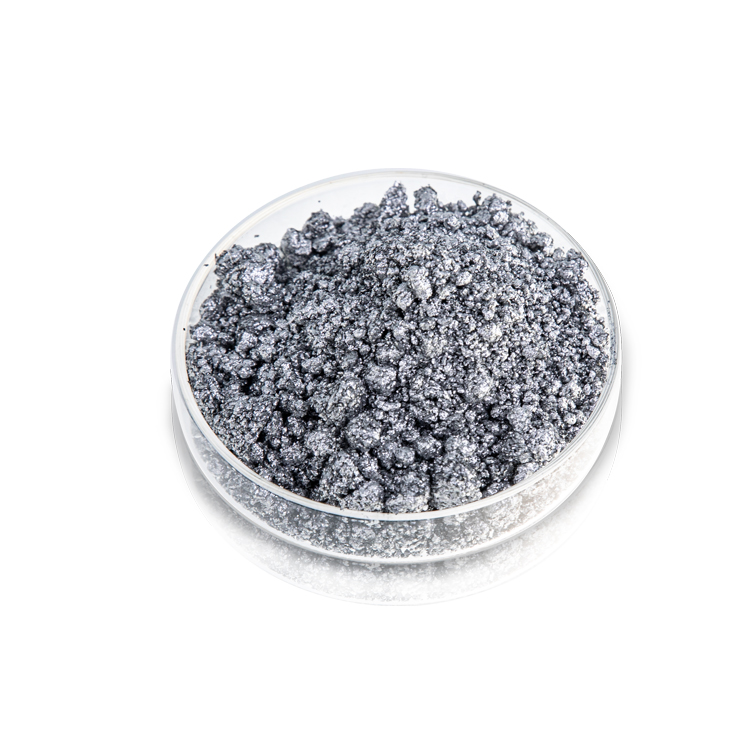
In the world of powder coatings, silica-coated aluminum powder has emerged as a key solution for achieving high-performance coatings. Used in various industries, from luxury packaging to automotive finishes, silica-coated aluminum powder provides the perfect balance of visual appeal and durability.
The need for long-lasting metallic finishes that can withstand weathering, oxidation, and abrasion has made silica-coated aluminum powder a staple in modern coating systems. This article explores the unique benefits and applications of silica-coated aluminum powder and how it helps manufacturers address common challenges such as oxidation, color fading, and poor texture stability in powder coatings.
Understanding Silica-coated Aluminum Powder
H3: What is Silica-coated Aluminum Powder?
Silica-coated aluminum powder is produced by applying a thin silica layer over aluminum flakes. This coating not only improves the aluminum flakes' oxidation resistance but also enhances their dispersion stability in powder coating systems.
Key characteristics include:
-
Increased oxidation resistance
-
Enhanced gloss and metallic finish
-
Better dispersion stability
-
Improved durability under environmental exposure
This silica coating acts as a protective barrier, preventing aluminum from reacting with oxygen, moisture, and other environmental factors, ensuring a more stable, long-lasting metallic effect.
Optical Performance Advantages of Silica-coated Aluminum Powder
Superior Metallic Reflection and Brightness
One of the primary advantages of silica-coated aluminum powder is its ability to deliver high reflectivity and consistent brightness. When used in powder coatings, it creates a visually striking metallic finish, similar to polished metal, which is highly valued in premium applications such as luxury packaging and automotive finishes.
-
High gloss and bright metallic sheen
-
Uniform particle distribution for smooth application
-
Rich visual depth that adds luxury appeal to products
The coating ensures that the metallic effect remains consistent, even under different lighting conditions, making it ideal for applications that require visual impact.
Enhanced Durability and Stability
In addition to its aesthetic benefits, silica-coated aluminum powder offers:
-
Improved UV resistance, maintaining brightness even after prolonged exposure to sunlight
-
Increased hardness, making the coating more resistant to scratches and abrasions
-
Superior weather resistance, helping to preserve the metallic finish over time
By offering these performance advantages, silica-coated aluminum powder helps manufacturers ensure that their products maintain their high-end appearance and durability over long periods, even in harsh environments.
Silica-coated Aluminum Powder and Its Oxidation Resistance
Preventing Color Fading and Degradation
Without proper surface treatment, aluminum powders are prone to oxidation when exposed to oxygen and moisture. Oxidation leads to:
-
Color changes (darkening or dulling)
-
Loss of brightness
-
Reduced gloss and clarity
Silica-coated aluminum powder addresses this issue by providing an extra layer of protection. This silica coating prevents oxidation by acting as a physical barrier between the aluminum and the surrounding environment, ensuring the metallic finish remains intact for longer periods.
Antioxidant Properties for Long-Term Stability
Silica-coated aluminum powder maintains a stable appearance under extreme conditions such as:
-
High humidity
-
Salt spray
-
Temperature fluctuations
These properties make it ideal for outdoor applications and environments where products are exposed to harsh weather, such as automotive coatings and architectural coatings.
Applications of Silica-coated Aluminum Powder in Different Industries
Architectural Powder Coatings
In the construction and architecture industries, silica-coated aluminum powder is used to create durable, aesthetically pleasing coatings for buildings, facades, and exterior structures.
-
Provides weather resistance and UV stability
-
Ensures a luxury metallic finish for architectural designs
-
Prevents fading and discoloration, even in challenging climates
Automotive Powder Coatings
For the automotive industry, where durability and high-quality finishes are crucial, silica-coated aluminum powder plays a key role in achieving:
-
Premium automotive finishes
-
Scratch resistance and high gloss
-
Enhanced corrosion resistance in exterior coatings
It helps automotive brands deliver vehicles with long-lasting, vibrant colors that endure daily wear and environmental stress.
Industrial Powder Coatings
In industrial coatings, silica-coated aluminum powder is used for protective coatings on:
-
Machinery
-
Equipment
-
Pipelines
-
Storage tanks
This powder helps improve abrasion resistance and thermal stability, offering superior performance in harsh industrial environments.
Appliance Coatings
In appliance coatings, silica-coated aluminum powder ensures:
-
Aesthetic appeal with a metallic sheen
-
Durability against heat and chemical exposure
-
Long-lasting finishes for household appliances
Comparing Silica-coated Aluminum Powder to Other Metallic Pigments
|
||||||||||||||||||
|---|---|---|---|---|---|---|---|---|---|---|---|---|---|---|---|---|---|---|
Silica-coated aluminum powder offers superior durability and consistency in both outdoor and high-traffic applications when compared to other metallic pigments, making it a preferred choice for premium applications.
Frequently Asked Questions
Q1: Why is silica coating necessary for aluminum powder?
Silica coating enhances oxidation resistance and improves the stability and durability of the aluminum powder, ensuring a longer-lasting metallic finish.
Q2: Can silica-coated aluminum powder be used in waterborne systems?
Yes, silica-coated aluminum powder is compatible with both solvent-based and waterborne coatings, making it versatile for various coating systems.
Q3: How does silica-coated aluminum powder compare to other metallic powders?
Silica-coated aluminum powder offers better resistance to weathering, oxidation, and corrosion, making it more suitable for high-performance applications.
Q4: Is silica-coated aluminum powder environmentally friendly?
Yes, many silica-coated aluminum powders are designed to meet low-VOC and eco-friendly standards, making them suitable for sustainable coatings.
Q5: How long does the metallic finish last with silica-coated aluminum powder?
The finish can last for several years, depending on exposure to environmental factors and the coating system used. However, its oxidation resistance ensures it maintains its visual integrity for a longer period.
Conclusion: Choosing Silica-coated Aluminum Powder for High-Performance Coatings
Silica-coated aluminum powder offers exceptional oxidation resistance, high gloss, and long-term durability, making it the ideal choice for luxury packaging, automotive finishes, industrial coatings, and more. Its superior performance ensures that your products not only look good but also maintain their appearance over time.
For manufacturers seeking consistent quality and reliable performance in their coatings, silica-coated aluminum powder provides a proven solution that meets both aesthetic and functional requirements.