What Is Aluminium Paste Used For in Coatings, Inks and Plastics?
2026 / 05 / 16Aluminium paste is widely used in coatings, inks, and plastics to create metallic effects, improve barrier performance, and enhance corrosion resistance. Its unique flake structure allows it to reflect light efficiently while forming protective layers in industrial systems.
This article explains what aluminium paste is and how it is applied across major industries including industrial coatings, printing inks, plastics, roof coatings, and automotive finishes.
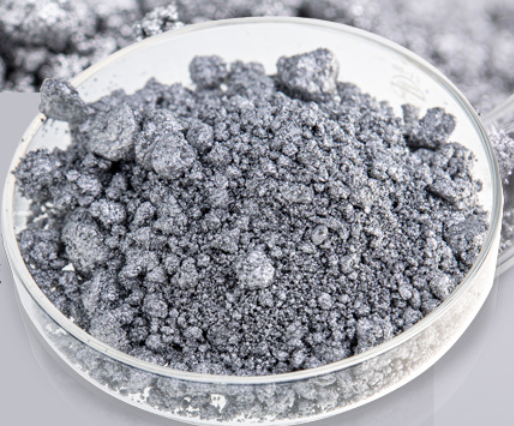 What Is Aluminium Paste?
Aluminium paste is a metallic pigment made of fine aluminum flakes dispersed in solvent or resin. These flakes are produced through a controlled milling process that creates thin, plate-like particles with high reflectivity.
There are two primary types:
- Leafing aluminium paste – flakes float to the surface, forming a bright, reflective metallic layer.
- Non-leafing aluminium paste – flakes distribute evenly throughout the coating or ink film.
Key characteristics include:
- High light reflectivity
- Excellent barrier protection
- Strong hiding power
- Controlled particle size distribution
- Compatibility with solvent-based and water-based systems
Because of its layered flake structure, aluminium paste not only creates visual metallic effects but also enhances durability and resistance.
Applications in Industrial Coatings
In industrial coatings, aluminium paste serves both decorative and protective purposes.
Main functions:
- Anti-corrosion barrier protection
- UV reflection
- Heat resistance
- Enhanced weather durability
Aluminium flakes align parallel to the coating surface, forming a protective shield that slows moisture and oxygen penetration. This makes it ideal for:
- Steel structures
- Storage tanks
- Pipelines
- Marine equipment
- Heavy machinery
Non-leafing grades are commonly preferred in industrial systems where adhesion and recoating performance are important.
Applications in Printing Inks
Aluminium paste is essential in metallic printing inks for packaging and decorative applications.
Benefits in inks:
- Mirror-like metallic gloss
- High opacity
- Smooth printing performance
- Improved visual impact
It is widely used in:
- Flexible packaging
- Tobacco packaging
- Cosmetic cartons
- Decorative labels
Leafing grades provide maximum brightness, while non-leafing grades offer better overprint varnish adhesion and abrasion resistance.
Applications in Plastic Masterbatch
In plastic masterbatch and molded parts, aluminium paste creates metallic effects without electroplating.
Common applications:
- Cosmetic packaging
- Consumer electronics housings
- Decorative caps and closures
- Automotive interior components
Non-leafing grades are typically selected for plastics because they provide:
- Better resin compatibility
- Uniform metallic dispersion
- Improved mechanical strength
Special surface-treated aluminium paste ensures stable processing during extrusion and injection molding.
Applications in Roof Coating
Aluminium paste is widely used in reflective roof coatings due to its high solar reflectance.
Key advantages:
- Heat reflection
- Energy saving
- Waterproof enhancement
- Extended roof lifespan
Leafing aluminium paste forms a bright metallic layer that reflects sunlight and reduces roof surface temperature. This helps lower cooling costs in industrial buildings and warehouses.
It is commonly used in:
- Bitumen-based roof coatings
- Asphalt systems
- Industrial roof refurbishment projects
Applications in Automotive Coating
Automotive coatings require consistent brightness, smooth orientation, and weather durability.
Aluminium paste is used in:
- OEM metallic basecoats
- Refinish paints
- Wheel coatings
- Trim and decorative components
Critical performance factors include:
- Narrow particle size distribution
- Controlled flake thickness
- Excellent orientation
- Long-term UV resistance
Non-leafing grades are generally used in automotive systems because they provide better adhesion between basecoat and clearcoat layers.
FAQ
What is the difference between leafing and non-leafing aluminium paste?
Leafing aluminium paste floats to the surface of the film and creates a brighter metallic effect. Non-leafing aluminium paste distributes evenly throughout the film and offers better adhesion and durability.
Can aluminium paste be used in water-based systems?
Yes. Specially treated aluminium paste grades are designed for water-based coatings and inks, offering improved corrosion resistance and dispersion stability.
How does aluminium paste improve corrosion resistance?
The flake structure forms overlapping layers inside the coating, creating a barrier that slows the penetration of moisture, oxygen, and corrosive agents.
Is aluminium paste suitable for high-temperature applications?
Yes. Aluminium flakes reflect heat and withstand elevated temperatures, making them suitable for industrial and roof coatings.
What particle size is best for coatings?
Particle size depends on the application. Fine particles provide smoother surfaces and higher gloss, while larger particles create stronger metallic sparkle.
Conclusion
Aluminium paste is a multifunctional metallic pigment used across coatings, inks, plastics, roofing, and automotive systems. Beyond its decorative brilliance, it enhances protection, durability, and performance.
Selecting the correct type — leafing or non-leafing — and matching it to the formulation system is essential for achieving optimal results in each industry.