Water-Based Aluminum Paste: Performance Standards and Selection Guide for Modern Coatings
2026 / 04 / 03The Growing Importance of Water-Based Aluminum Paste
As environmental regulations become stricter worldwide, the coatings industry continues shifting toward waterborne systems. In this transformation, aluminum paste must meet higher safety, stability, and performance standards.
According to industry research data, waterborne coatings now account for over 55% of architectural coating demand globally, and their penetration rate in industrial coatings continues to increase. This trend significantly drives demand for high-performance water-based aluminum paste.
However, not all aluminum paste can function safely in water systems. Specialized surface engineering and strict production control are required.
This article explains the technical principles, performance benchmarks, and procurement criteria for water-based aluminum paste.
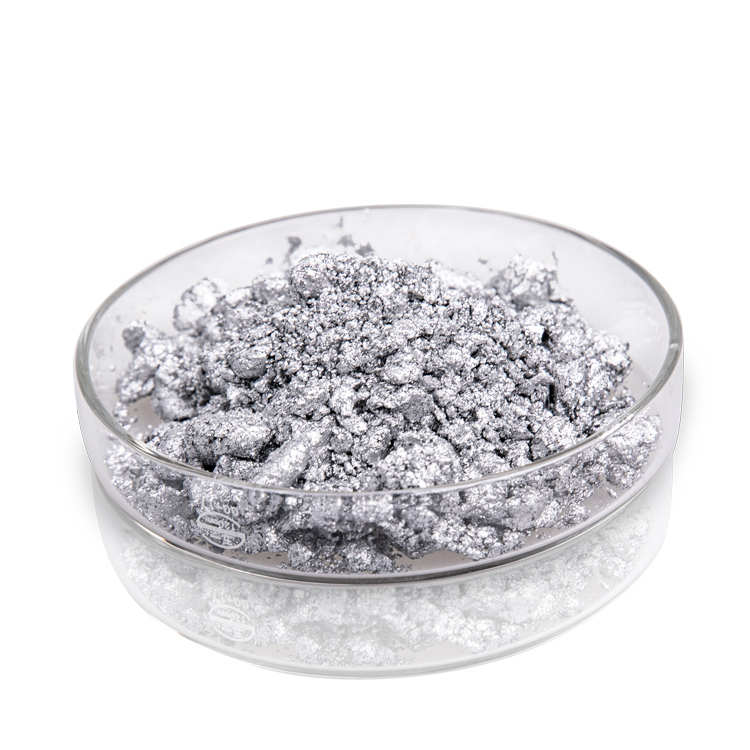
1. Why Standard Aluminum Paste Cannot Be Used Directly in Water
Traditional aluminum paste is mainly designed for solvent-based coatings. When untreated aluminum particles contact water, they may:
- React and release hydrogen gas
- Lose metallic brightness
- Create viscosity instability
- Cause storage risks
This chemical reaction can compromise both safety and coating quality.
Therefore, water-based aluminum paste must undergo advanced passivation treatment to ensure chemical stability.
2. Core Technologies Behind Water-Based Aluminum Paste
High-quality water-based aluminum paste depends on three key technical controls:
Surface Coating Technology
Each aluminum flake is coated with a protective layer that:
- Prevents direct water contact
- Reduces oxidation
- Improves dispersion stability
Controlled pH Compatibility
Stable aluminum paste performs best within specific pH ranges, typically neutral to mildly alkaline systems.
Anti-Gas Stabilization
Advanced manufacturing processes significantly reduce hydrogen generation during storage and application.
These technologies ensure that aluminum paste performs safely in modern waterborne coatings.
3. Performance Advantages in Waterborne Systems
Properly engineered water-based aluminum paste offers:
- High metallic gloss
- Uniform dispersion
- Strong corrosion resistance
- Lower VOC emissions
- Improved environmental compliance
Applications include:
- Architectural metallic finishes
- Industrial equipment coatings
- Steel structure protection
- Reflective roof coatings
- Decorative waterborne paints
The ability to combine environmental safety with metallic brilliance makes aluminum paste essential in waterborne formulations.
4. Comparison: Solvent-Based vs Water-Based Aluminum Paste
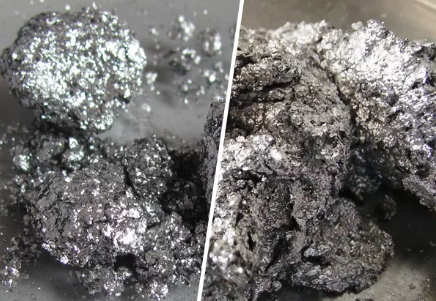
| Performance Factor | Solvent-Based Aluminum Paste | Water-Based Aluminum Paste |
| VOC Emission | Higher | Lower |
| Environmental Compliance | Moderate | High |
| Storage Stability | Strong | Requires advanced treatment |
| Market Growth Trend | Stable | Rapidly growing |
As environmental standards rise, water-based aluminum paste continues expanding across global markets.
5. Key Technical Parameters for Procurement
When sourcing aluminum paste for waterborne systems, evaluate:
Solid Content
Typical industrial aluminum paste contains 65%–75% aluminum solids. Higher solid content improves coverage efficiency and reduces effective cost.
Particle Size Distribution
- Fine grades: smooth metallic finish
- Medium grades: enhanced sparkle
Storage Stability Testing
Check for:
- Gas generation levels
- Viscosity change
- Oxidation resistance
Resin Compatibility
Confirm compatibility with acrylic, polyurethane, or epoxy waterborne systems.
6. Step-by-Step Selection Guide
Step 1: Define the coating system type.
Step 2: Confirm water compatibility requirements.
Step 3: Request technical data sheets and safety documentation.
Step 4: Conduct laboratory dispersion and stability tests.
Step 5: Evaluate supplier bulk production capability and delivery reliability.
7. Supply Chain Reliability in Large-Scale Projects
For construction and industrial coating projects, aluminum paste supply stability is critical.
A reliable aluminum paste supplier should provide:
- Consistent batch quality
- Large-scale production capacity
- Export-ready packaging
- Competitive wholesale pricing
- Stable monthly output
Supply disruptions can delay coating production and increase operational costs. Therefore, supply chain strength is as important as product performance.
Market Outlook
Global demand for environmentally friendly coatings continues to grow due to:
- Infrastructure expansion
- Sustainability policies
- Energy efficiency standards
- Low-VOC regulations
Water-based aluminum paste demand is projected to increase steadily alongside waterborne coating adoption in Asia-Pacific, Europe, and North America.
This growth highlights the strategic importance of advanced aluminum paste technology.
Common Mistakes in Water-Based Aluminum Paste Application
- Using solvent-based aluminum paste in water systems
- Ignoring pH compatibility
- Excessive dispersion speed damaging flake structure
- Skipping storage gas testing
Proper technical evaluation and experienced supplier support reduce these risks.
Conclusion: Water-Based Aluminum Paste Is a Strategic Material for Sustainable Coatings
Aluminum paste remains one of the most important metallic pigments in the coatings industry. With the transition to waterborne systems, water-based aluminum paste is becoming a critical component in sustainable manufacturing.
Its advantages include:
- Environmental compliance
- Metallic brilliance
- Corrosion resistance
- Long-term durability
- Reduced VOC impact
Companies that select high-quality aluminum paste improve both product performance and market competitiveness.