Why Does Aluminium Paste Discolour During Storage? Causes and Prevention
2026 / 10 / 09Aluminium paste is widely used in industrial coatings, printing inks and metallic-effect finishes. During storage, however, improper conditions or incompatibility with the surrounding formulation may affect its appearance and performance. Understanding the causes of aluminium paste discolouration helps manufacturers maintain product quality and achieve consistent results.
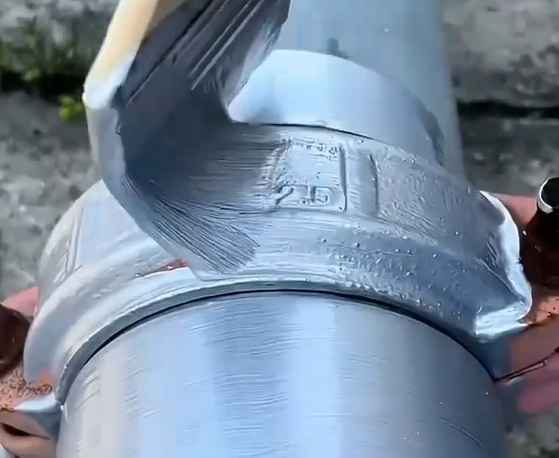
1. Common Causes of Aluminium Paste Discolouration
Several factors may contribute to changes in the appearance of aluminium paste during storage.
Exposure to moisture and air
Aluminium pigments can be sensitive to unsuitable storage environments. Moisture entering the container may affect pigment stability, while prolonged exposure to air can increase the risk of surface changes.
Incompatible formulation components
When aluminium paste is mixed with an unsuitable resin, solvent or other additive, interactions within the formulation may affect its stability and metallic appearance. Compatibility should therefore be evaluated before large-scale production.
Improper storage conditions
High temperatures, direct sunlight and poorly sealed containers can reduce storage stability. Repeated opening of containers may also expose the material to moisture and other environmental contaminants.
2. How to Prevent Aluminium Paste Discolouration
To maintain the quality of aluminium paste, manufacturers should pay attention to the following practices:
- Keep containers tightly sealed: Minimise unnecessary exposure to air and moisture after opening.
- Store in a suitable environment: Follow the supplier's recommended temperature and storage conditions. Avoid direct sunlight and excessive humidity.
- Check formulation compatibility: Test the aluminium paste with the intended resin, solvent and additives before full production.
- Follow proper handling procedures: Use clean equipment and avoid introducing foreign materials during handling.
- Inspect before use: Check the product's appearance and consistency after storage. If unusual changes are observed, consult the supplier before use.
3. Why Formulation Compatibility Matters
Aluminium paste performance depends not only on pigment characteristics but also on the coating or ink system in which it is used. A paste that performs well in one formulation may not provide the same stability in another.
Before production, manufacturers should evaluate compatibility, dispersion behaviour and the final metallic effect. Storage stability should also be assessed under conditions relevant to the intended application.
4. What Should Buyers Check When Purchasing Aluminium Paste?
For industrial buyers, evaluating aluminium paste involves more than checking its initial appearance. Consider the following points:
- Storage stability: Ask about recommended storage conditions and shelf life.
- Technical documentation: Review the product's technical data sheet (TDS) and safety data sheet (SDS).
- Application compatibility: Confirm suitability for the intended coating or printing ink system.
- Technical support: Choose a supplier that can help investigate stability issues and recommend appropriate grades.
These checks can help reduce avoidable material problems and support more consistent production.
Conclusion
Aluminium paste discolouration during storage may be associated with moisture, unsuitable storage conditions or formulation incompatibility. Proper sealing, suitable storage and compatibility testing are important steps in maintaining product quality.
When selecting aluminium paste, manufacturers should consider both its metallic appearance and its stability throughout storage and application. Working with a reliable supplier can help identify a suitable grade for specific production requirements.
- Previous:How to Choose the Right Aluminium Paste for Your Coating Application?
- Next:I have no