Aluminum Paste for Plastic Masterbatch Applications
2026 / 05 / 27
How to Choose the Right Metallic Pigment for High-Performance Plastic Products
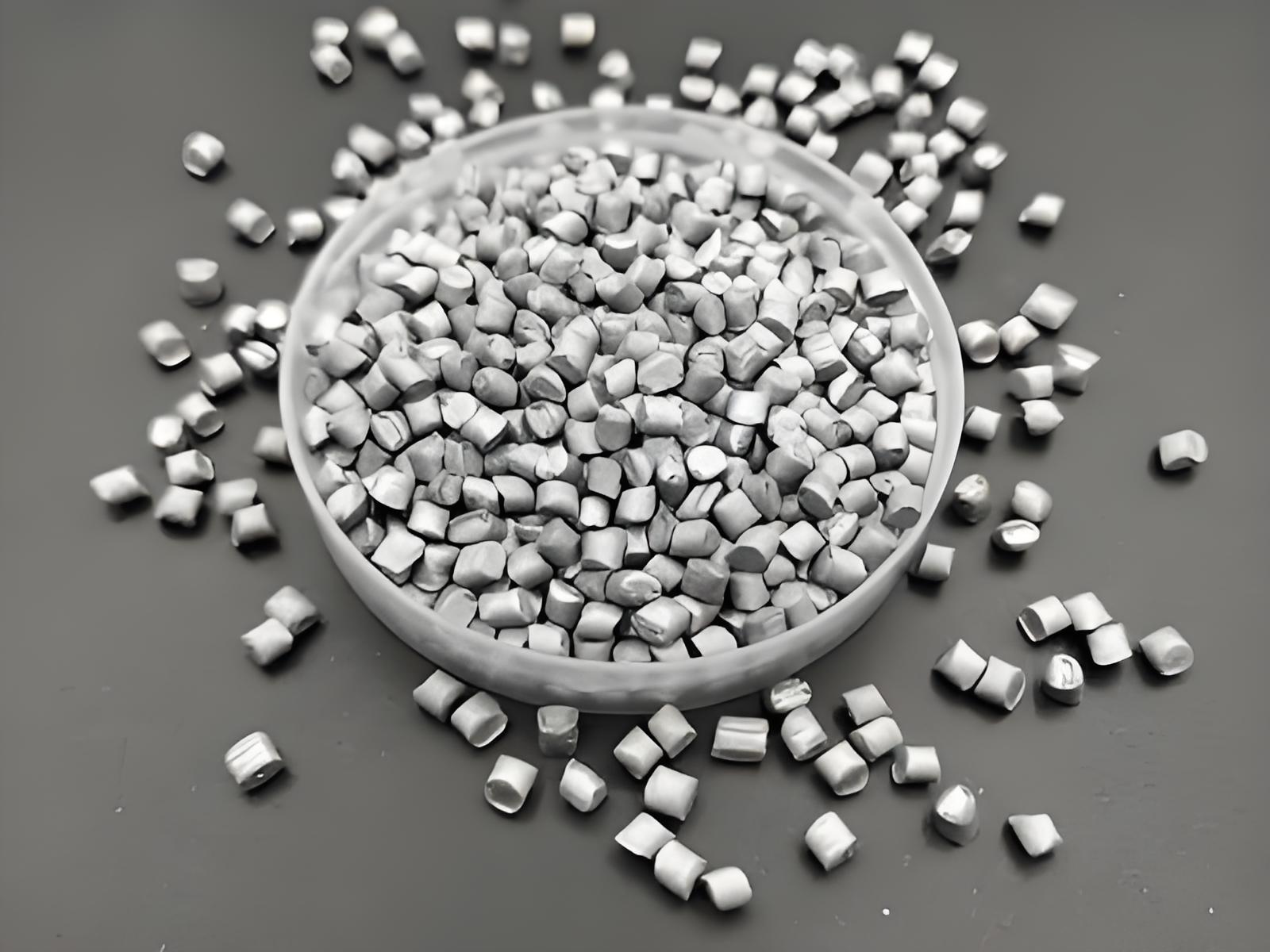
Aluminum paste for plastic masterbatch is widely used to create metallic appearance and decorative effects in plastic products. With the increasing demand for premium metallic finishes in automotive interiors, home appliances, consumer electronics and packaging industries, metallic masterbatch pigments have become an important part of modern plastic manufacturing.
Compared with ordinary pigments, aluminum paste provides stronger metallic texture, higher brightness and more luxurious visual effects. However, plastic applications also require excellent heat resistance, dispersion stability and processing compatibility.
Choosing the correct aluminum paste is critical for achieving stable metallic appearance and high-quality plastic products.
Metallic Plastic Trends in 2026
The global plastics industry is increasingly focusing on decorative metallic effects for high-end applications.
Popular metallic plastic products include:
- Automotive interior parts
- Household appliances
- Cosmetic packaging
- Consumer electronics
- Injection molded products
- Decorative plastic panels
Modern customers prefer:
- Premium metallic appearance
- Fine sparkling effects
- Smooth surface finish
- Lightweight metallic alternatives
As a result, metallic masterbatch pigments continue evolving toward:
- Higher brightness
- Better heat resistance
- Improved dispersion
- Eco-friendly processing
This trend is driving strong demand for high-performance aluminum paste for plastic systems.
Why Aluminum Paste Is Used in Plastic Masterbatch
Aluminum paste provides several important advantages in plastic applications:
- Strong metallic appearance
- Excellent decorative effect
- Lightweight metallic finish
- Good opacity
- Wide processing compatibility
- Cost-effective metallic solution
Compared with vacuum metallization or electroplating, aluminum pigment masterbatch offers easier processing and lower production cost.
Heat Resistance Requirements in Plastic Systems
Heat resistance is one of the most important requirements for aluminum pigments used in plastic processing.
During extrusion and injection molding, processing temperatures may reach:
- 180°C–300°C
Poor heat resistance may cause:
- Metallic darkening
- Loss of brightness
- Pigment oxidation
- Surface defects
Therefore, aluminum paste for plastic masterbatch must have:
- Stable surface treatment
- High thermal resistance
- Good processing stability
Specially surface-treated aluminum pigments are widely used for engineering plastics and high-temperature processing systems.
Dispersion in Plastic Systems
Good dispersion is critical for achieving uniform metallic appearance in plastic products.
Poor dispersion may lead to:
- Black spots
- Metallic streaks
- Uneven brightness
- Agglomeration
- Surface defects
High-quality aluminum paste should provide:
- Easy dispersion
- Stable flake orientation
- Uniform particle distribution
- Good compatibility with resin systems
Proper masterbatch production technology also helps improve pigment distribution during extrusion processing.
Particle Size Selection for Plastic Metallic Effects
Particle size greatly influences the final appearance of metallic plastic products.
Fine Particle Aluminum Paste
Characteristics
- Smooth metallic appearance
- High brightness
- Soft silver effect
- Better surface smoothness
Applications
- Cosmetic packaging
- Consumer electronics
- Premium appliance panels
Medium Particle Aluminum Paste
Characteristics
- Balanced metallic texture
- Moderate sparkle
- Good processing stability
Applications
- Automotive interior plastics
- Decorative household products
- General injection molding
Coarse Particle Aluminum Paste
Characteristics
- Strong sparkling effect
- High metallic texture
- Dynamic appearance
Applications
- Decorative masterbatch
- Special effect plastics
- Luxury packaging
Selecting the correct particle size depends on the desired metallic appearance and processing method.
Recommended Applications of Aluminum Paste for Plastic
Automotive Interior Parts
Metallic plastic components are widely used in automotive dashboards, trim panels and interior decorative parts.
Required properties include:
- Heat resistance
- Scratch resistance
- Uniform metallic effect
Home Appliances
Metallic masterbatch is commonly used in:
- Air conditioners
- Refrigerators
- Washing machines
- Vacuum cleaners
Aluminum pigments help create premium metallic finishes without using metal materials.
Consumer Electronics
Smartphones, speakers and electronic accessories increasingly use metallic plastic designs for luxury appearance.
Fine particle aluminum pigments are preferred for smooth and delicate metallic effects.
Cosmetic Packaging
Luxury cosmetic packaging often requires bright metallic appearance and fine decorative texture.
Silver dollar aluminum pigments are especially suitable for this application.
Injection Molding Challenges
Injection molding systems create several technical challenges for metallic pigments.
Orientation Problems
Improper processing conditions may affect aluminum flake orientation and reduce metallic uniformity.
Weld Lines
Metallic pigments can make weld lines more visible on plastic surfaces.
Shear Damage
High screw speed or excessive shear force may damage aluminum flakes and reduce metallic effect.
Flow Marks
Poor mold design or pigment dispersion may create metallic flow defects.
To improve performance, manufacturers should optimize:
- Processing temperature
- Screw speed
- Mold design
- Pigment concentration
- Resin compatibility
How to Choose the Best Aluminum Paste for Plastic Masterbatch
| Application | Recommended Aluminum Paste Type |
|---|---|
| Smooth premium appearance | Fine particle silver dollar |
| Strong metallic sparkle | Coarse particle aluminum |
| High heat resistance systems | Surface-treated aluminum paste |
| Automotive plastics | Medium particle metallic pigment |
| Cosmetic packaging | High brightness silver dollar pigment |
Future Development of Metallic Plastic Pigments
The plastic industry continues moving toward:
- Eco-friendly materials
- Lightweight decorative solutions
- Sustainable metallic pigments
- High brightness effects
- Advanced surface treatment technology
Future aluminum paste products are expected to provide:
- Better heat resistance
- Improved dispersion
- Lower VOC processing
- Enhanced metallic appearance
These developments will further expand the application of aluminum pigments in modern plastic manufacturing.
FAQ
What is aluminum paste used for in plastic masterbatch?
It is used to create metallic appearance and decorative effects in plastic products such as automotive parts, electronics and packaging.
Why is heat resistance important for metallic pigments?
Plastic processing temperatures are high, and poor heat resistance may cause pigment darkening or metallic effect loss.
Which particle size gives the smoothest metallic appearance?
Fine particle aluminum paste generally provides smoother and brighter metallic effects.
Can aluminum paste be used in injection molding?
Yes. It is widely used in injection molded plastic products with proper processing control.
What causes poor metallic dispersion in plastics?
Improper processing temperature, insufficient mixing or poor pigment compatibility may reduce dispersion quality.