Aluminum Paste Manufacturer :Frequently Asked Questions About Aluminum Paste
2026 / 03 / 30With the rapid growth of automotive coatings, industrial protective paints, roof coatings, and printing inks, aluminum paste has become one of the most searched metallic pigment materials worldwide. Buyers frequently ask technical and procurement-related questions about aluminum paste performance, application compatibility, pricing, and supplier selection.
This Q&A guide answers the most common questions about aluminum paste, helping formulators, purchasing managers, and distributors make informed decisions.
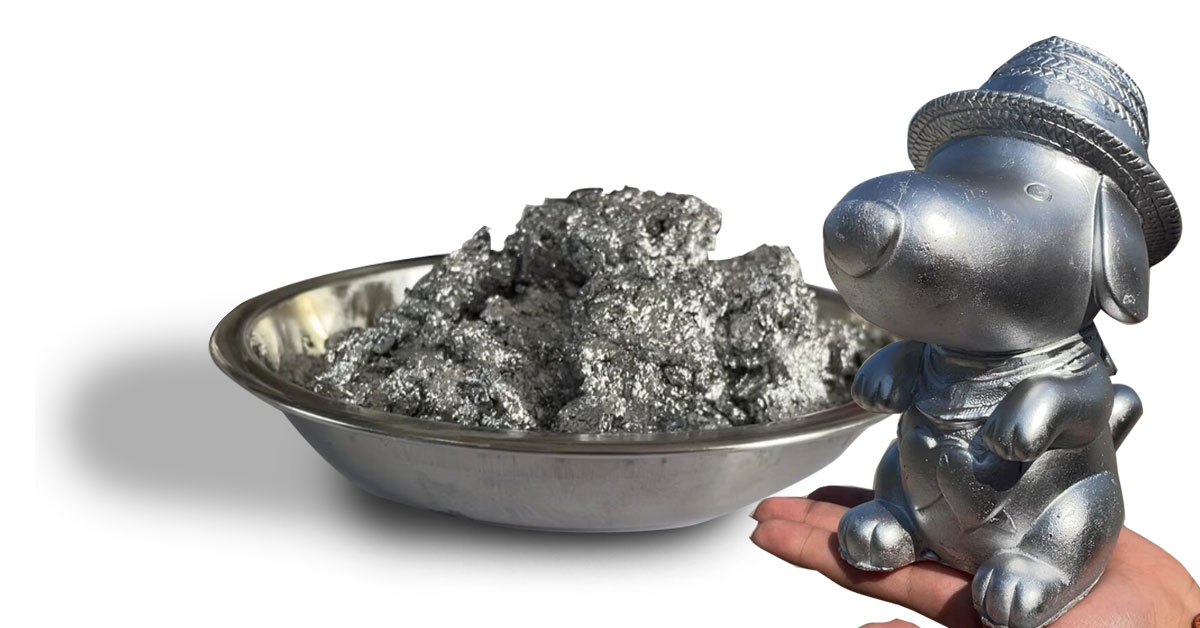
Q1: What Is Aluminum Paste and Why Is It So Widely Used?
Answer:
Aluminum paste is a metallic pigment made of flake-shaped aluminum particles dispersed in a solvent carrier. It is primarily used in:
- Industrial coatings
- Automotive paints
- Roof coatings
- Printing inks
- Decorative finishes
The reason aluminum paste is widely used lies in its unique flake structure. When applied in coatings, aluminum flakes align parallel to the surface, forming a reflective barrier layer. This structure provides:
- High metallic gloss
- Enhanced corrosion resistance
- Improved heat reflection
- Long-term durability
Q2: What Is the Difference Between Leafing and Non-Leafing Aluminum Paste?
Answer:
This is one of the most common technical questions regarding aluminum paste.
Leafing Aluminum Paste
- Aluminum flakes float to the coating surface
- Creates a bright, mirror-like metallic finish
- Common in decorative and reflective coatings
Non-Leafing Aluminum Paste
- Flakes distribute evenly throughout the coating film
- Provides stronger corrosion resistance
- Ideal for industrial and protective coatings
Quick Comparison
| Feature | Leafing Aluminum Paste | Non-Leafing Aluminum Paste |
| Brightness | Very High | Medium |
| Corrosion Resistance | Moderate | High |
| Industrial Use | Limited | Extensive |
Q3: Why Is Aluminum Paste Preferred in Industrial Coatings?
Answer:
In industrial aluminum coating systems, durability is critical. Aluminum paste enhances protection through:
First: Barrier Protection
The flake structure blocks moisture and oxygen.
Second: Thermal Reflection
Aluminum paste reflects heat and reduces surface temperature.
Third: Chemical Resistance
Properly treated aluminum paste improves resistance to chemicals and UV exposure.
These benefits make aluminum paste essential in:
- Marine coatings
- Steel structure protection
- Oil & gas pipelines
- Heavy machinery paints
Q4: How Does Aluminum Paste Improve Metallic Appearance in Paint?
Answer:
The metallic effect of aluminum paste depends on:
- Particle size
- Flake thickness
- Surface smoothness
Fine aluminum paste produces smooth, satin finishes. Coarser aluminum paste produces stronger sparkle and metallic brilliance.
The optical reflectivity of aluminum flakes enhances light reflection, making coatings visually appealing for:
- Automotive finishes
- Decorative paints
- Consumer goods
Q5: Is Aluminum Paste Suitable for Water-Based Systems?
Answer:
Yes, but it requires specially treated aluminum paste.
Traditional aluminum paste is more compatible with solvent-based systems. However, modern surface-treated aluminum paste can be used in:
- Water-based coatings
- Low-VOC paint systems
- Environmentally regulated markets
When selecting aluminum paste for water-based systems, ensure:
Step One: Proper surface treatment
Step Two: Stable dispersion performance
Step Three: Oxidation resistance
Q6: What Factors Affect the Performance of Aluminum Paste?
Answer:
Several technical parameters determine aluminum paste quality:
1. Particle Size Distribution
Impacts gloss and smoothness.
2. Solid Content
Affects coverage efficiency and cost.
3. Flake Geometry
Determines barrier protection strength.
4. Dispersion Stability
Ensures consistent coating appearance.
Selecting high-quality aluminum paste ensures stable production and consistent performance.
Q7: How Do I Choose the Right Aluminum Paste Supplier?
Answer:
Choosing the right aluminum paste supplier is critical for long-term cooperation.
First: Evaluate Production Capacity
A reliable aluminum paste manufacturer should ensure stable bulk supply.
Second: Check Technical Support Capability
Look for suppliers that provide technical consultation and customized aluminum paste solutions.
Third: Review Quality Consistency
Stable batch-to-batch performance is essential in industrial production.
Fourth: Consider Total Cost
Focus on lifecycle value, not only price per kilogram.
Q8: What Are the Typical Applications of Aluminum Paste in 2026?
Answer:
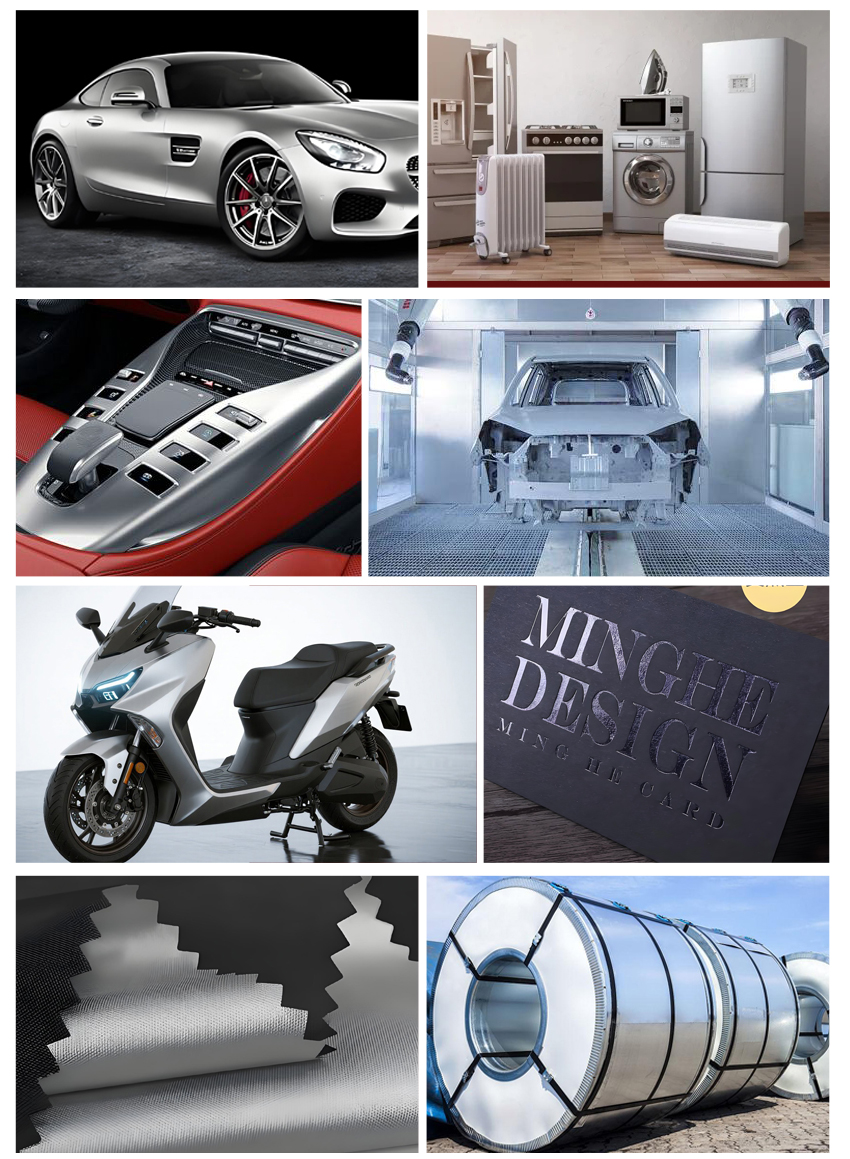
The most common aluminum paste applications include:
- Automotive metallic paints
- Industrial anti-corrosion coatings
- Roof reflective coatings
- Printing inks
- Coil coatings
- Plastic masterbatch
The diversity of aluminum paste uses makes it one of the most versatile metallic pigments in the coatings industry.
Q9: Does Aluminum Paste Reduce Overall Coating Costs?
Answer:
Although aluminum paste may have a higher unit price compared to some pigments, it can reduce total cost through:
- Higher coverage efficiency
- Longer coating lifespan
- Reduced maintenance frequency
- Improved product competitiveness
Therefore, aluminum paste often improves overall cost-performance balance.
Q10: What Is the Future Trend of Aluminum Paste?
Answer:
Industry trends indicate that aluminum paste development is moving toward:
- Low-VOC compatibility
- High-durability coatings
- Ultra-fine particle control
- Environmentally friendly surface treatments
As global environmental standards rise, demand for advanced aluminum paste products will continue to grow.
Conclusion: Aluminum Paste Remains a Core Material in Modern Coatings
Aluminum paste is not just a decorative metallic pigment—it is a functional material that enhances protection, durability, and aesthetics. From industrial coatings to automotive finishes, aluminum paste plays a strategic role in modern manufacturing.
Understanding aluminum paste types, technical parameters, and application requirements allows buyers and formulators to make smarter decisions.
Call to Action
If you are evaluating aluminum paste for your coating, printing ink, or industrial application, start by defining your technical requirements and testing suitable grades.
Visit: https://www.zqmetallic.com/
Email: info@zqmetallic.com
Request technical data and samples to find the right aluminum paste solution for your project.